What a Mentor Would Tell You Before Your First VC Pitch
So you are curious about venture capital. Maybe you just read about a startup that raised millions on an idea scribbled on a napkin, or maybe you watched a founder on a podcast talk about their Series A like it was the easiest thing in the world. Either way, something about this industry pulled you in.
Good. That curiosity is the right place to start. But before going any further, there are a few things worth understanding that rarely show up in the headlines. Think of this as a walkthrough, the kind a mentor would give over coffee before letting you walk into your first pitch meeting or your first junior role at a fund.
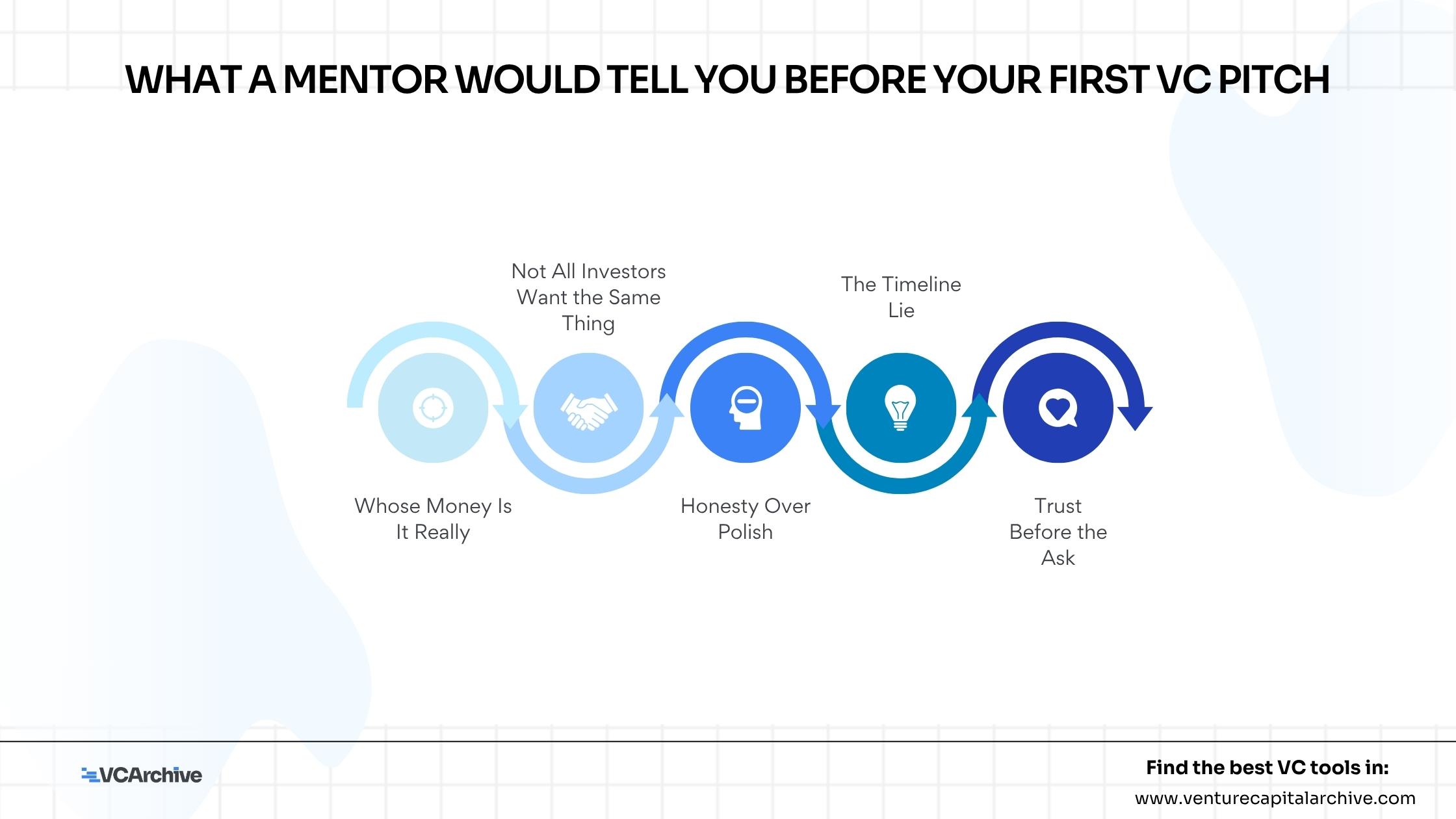
The money is never just money
The first thing to unlearn is the idea that a VC is investing their own cash. Most of the capital in a venture fund belongs to limited partners: pension funds, university endowments, family offices, and wealthy individuals who trusted that firm with their money years earlier.
That changes everything about how decisions get made. A VC is not just asking whether a startup is good. They are asking how they will explain this decision to the people whose money is actually at risk. Every meeting, every term sheet, every hard pass carries that weight in the background.
If you remember one thing walking into this industry, remember that the check on the table is rarely free money. It comes with a story attached, and someone will eventually have to retell it.
Not all investors want the same thing
It is tempting to think of investors as one group chasing the same outcome. They are not.
A traditional VC fund usually needs to return capital within a set window, often somewhere between seven and twelve years, because that is the promise made to its LPs. A family office frequently has no such constraint. The money belongs to one family, sometimes across generations, and their patience can look completely different from a fund racing against a clock.
Understanding who you are talking to, and what timeline they are actually working with, will save you from a lot of confusion later. A family office and an institutional VC might sit at the same table and want two very different things.
Confidence is not the same as honesty
New to this world, it is easy to assume that a great pitch means sounding like you have everything figured out. Practiced lines, a confident tone, an answer ready for every hard question.
In practice, investors have sat through thousands of polished pitches. What actually sticks with them is honesty. A founder who admits they do not yet have an answer, but has a real plan to find one, often leaves a stronger impression than one who fakes certainty on the spot.
If you end up on either side of the table, as a founder pitching or an investor listening, learn to value the honest answer over the smooth one. It says more about whether the underlying business will hold up.
Every fundraising timeline is optimistic
Almost every founder predicts a quick close. Almost none of them hit it.
Term sheets get delayed. Due diligence turns up a question nobody thought to ask. A lead investor gets cold feet right before the wire is supposed to land. This is not the exception in venture capital. It is closer to the rule.
If you are on the founder side one day, plan your runway assuming the raise takes twice as long as promised. The companies that survive tight fundraising cycles are usually the ones that planned for delay from the start, not the ones caught off guard by it.
Relationships come before the ask
One of the quieter truths about this industry is that the fastest raises rarely start with a cold pitch. They start with a relationship that was already building long before anyone asked for money.
A short update every quarter. A note after hitting a real milestone. No pressure, no ask attached. By the time a formal raise begins, the investor already feels like part of the story instead of a stranger being pitched to.
This applies whether you plan to build a startup, work inside a fund, or simply understand how capital moves through this world. Trust gets built early. The money follows later.
Where this leaves you
None of this makes venture capital simple, and it should not. But it should make it a little less mysterious than it looked from the outside.
Underneath the term sheets and valuations, this industry runs on trust, patience, and a clear sense of whose money is actually on the table. Understand that early, and every pitch, every deal, and every conversation you have going forward will make a lot more sense.
More from Dario Villena
View author profile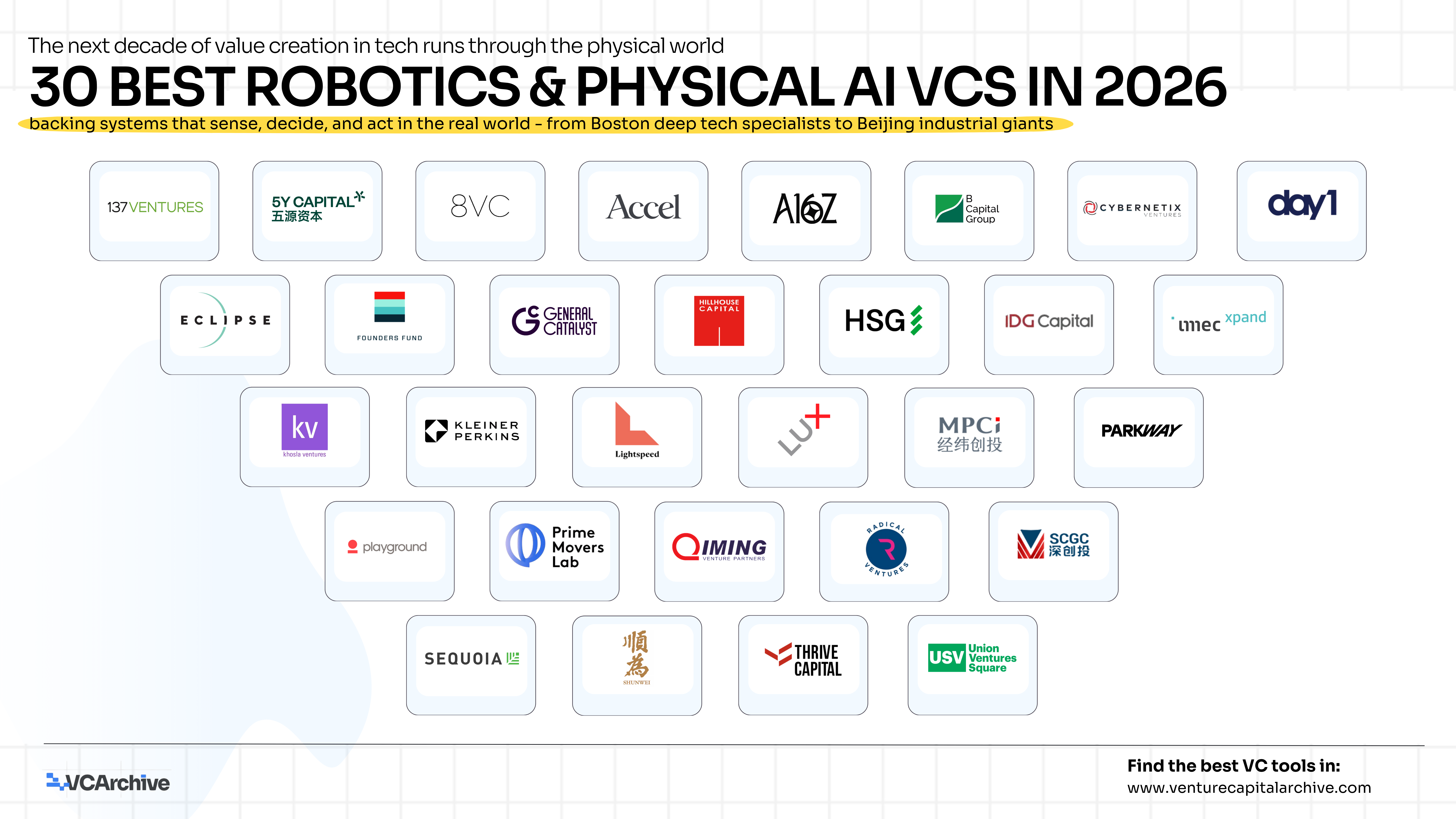
30 Best Active Robotics & Physical AI VCs in 2026
Software built the last decade. Physical AI is building the next one. These are the funds that are backing it.
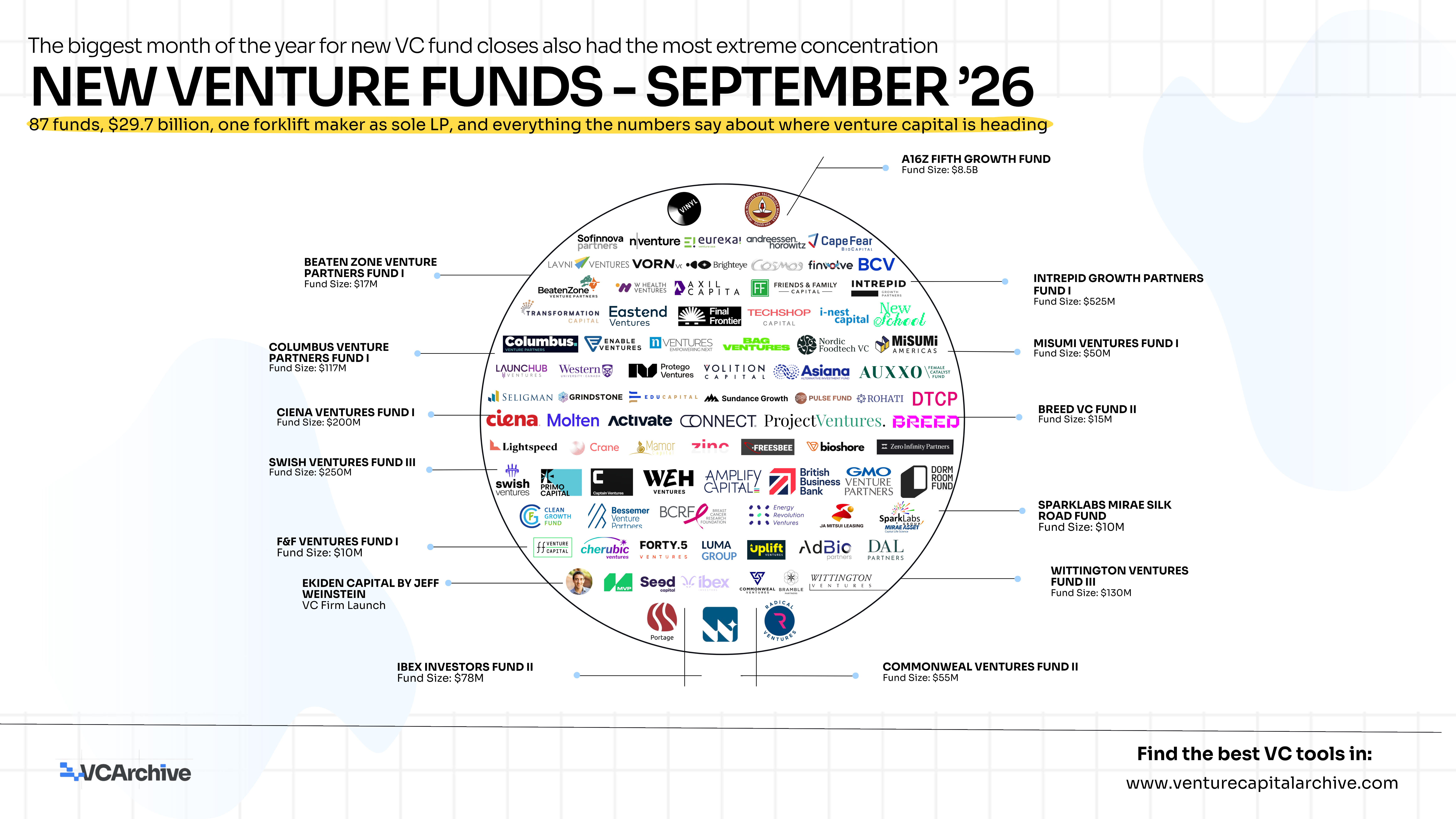
New Venture Funds - September 2026
The biggest fund formation month of 2026 also had the most extreme concentration we have tracked.
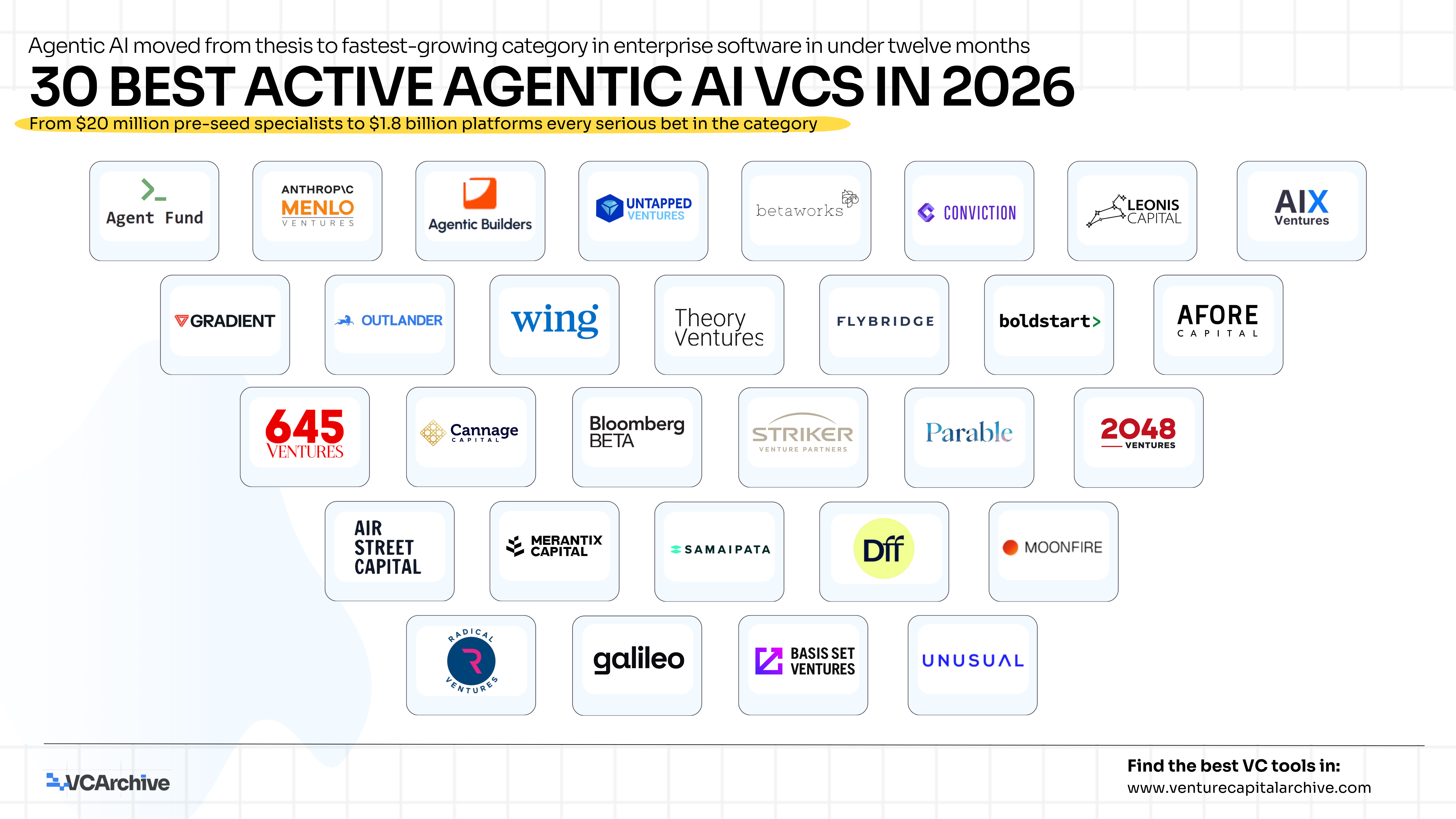
30 Best Active Agentic AI VCs in 2026
The shift from AI that assists to AI that acts autonomously is the biggest investment theme of 2026 and these 30 funds are at the centre of it