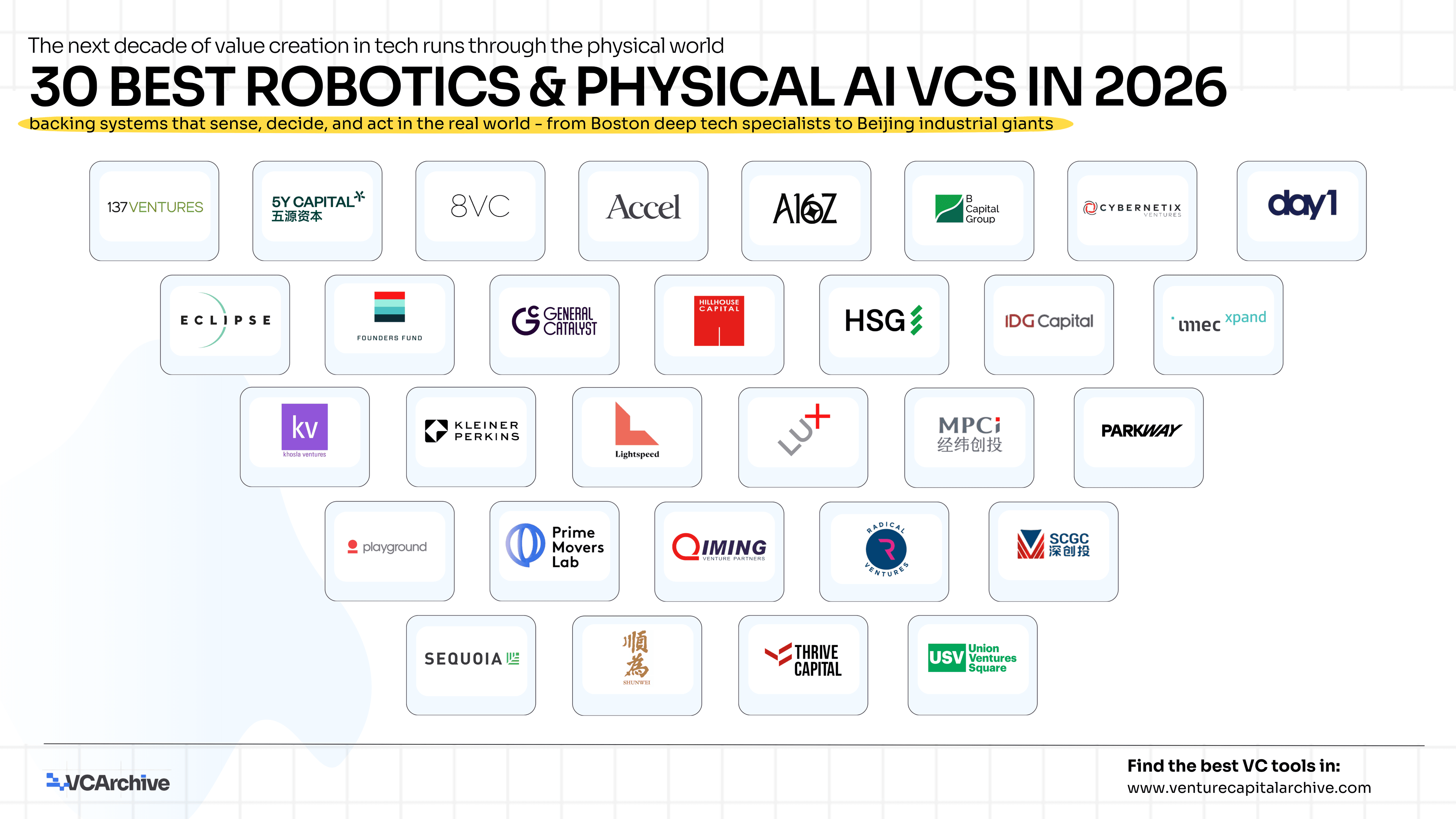
30 Best Active Robotics & Physical AI VCs in 2026
For most of the 2010s, robotics was the category everyone expected to be enormous and nobody could time. Hardware too expensive, software too brittle, sales cycles too long.
2026 is different. Actuator costs have dropped 60 to 80% over four years. Foundation models let robots generalise across tasks instead of running rigid pre-programmed sequences. The companies that survived the hard years are now operating at scale in warehouses, surgical suites, farms, and logistics networks.
The 30 funds on this list collectively manage over $700 billion in AUM, cover every stage from seed to growth, and span the US, Europe, and Asia. What they share is a conviction that the next decade of value creation runs through systems that operate in the physical world.
- Over $700B in combined AUM
- Stage range: pre-seed to late growth
- Geographies: US, Europe, China
- Sub-categories: surgical robotics, autonomous vehicles, defence drones, humanoid systems, industrial automation
Why physical AI is different from the last robotics wave
The investment thesis for robotics has been declared correct and then falsified so many times that a healthy scepticism is warranted. So it is worth being precise about what has actually changed.
The first robotics wave (2012 to 2018) produced companies that could automate one specific task in one specific environment. A warehouse picker. An inspection drone. A surgical assistant for one procedure. Useful businesses, but not general ones. Every new environment needed new programming. Every new task needed new hardware.
Physical AI breaks that constraint. Three things have changed simultaneously:
- Models can generalise. A system trained on sufficient physical interaction data adapts to new environments without reprogramming. It handles objects it has never seen before by reasoning about shape, weight, and fragility.
- Hardware is no longer the bottleneck. Actuator costs down 60 to 80%. Sensor costs following the same curve. The bill of materials for a capable robot is a fraction of what it was in 2020.
- Data infrastructure exists. Purpose-built training pipelines for physical AI are a funded, growing category in their own right.
The commercial implication: a single physical AI platform can address dozens of use cases across multiple industries. The unit economics, amortised across that breadth, start to look more like software than like traditional robotics hardware.
This is why funds that were cautious about robotics are now active, and why the funds that were always committed are deploying at a scale they could not have justified five years ago.
The investment landscape in numbers
The numbers tell the story more directly than any thesis.
- $11B+ invested in physical AI and robotics in 2025, up from $6.2B in 2023 (77% in two years)
- $14-18B projected for 2026
- $218B projected global robotics market by 2030 at 14.5% CAGR
- $38B projected addressable market for foundation-model-native robotics platforms by 2028
Sub-category breakdown worth knowing before reading the list:
Humanoid robots. Figure AI, Physical Intelligence, and 1X Technologies collectively raised over $2B in 2025. Deployment timelines have shifted from science fiction to warehouse and manufacturing quarters.
Surgical and medical robotics. The most commercially mature sub-category. Intuitive Surgical proved the $20B+ business is buildable. The next generation, AI-native and capable of a wider range of procedures, is where medtech-focused capital is concentrating now.
Defence and autonomous systems. Ukraine changed the procurement conversation globally. Low-cost autonomous drone swarms demonstrated as a force multiplier at scale. Several funds on this list that would not have called themselves defence investors three years ago now have explicit theses.
Agricultural and industrial robotics. The least glamorous sub-category and the most commercially durable. Labour shortages in agriculture, logistics, and light manufacturing are structural. The companies automating these environments are generating real revenue, even when they are not generating headlines.
How to read the fund composition
The 30 funds divide into four types. Understanding which is which changes how a founder should approach them.
Deep tech specialists:
(Lux Capital, Prime Movers Lab, Playground Ventures, Eclipse Ventures, Cybernetix Ventures, Imec Xpand). Built specifically to back frontier science. GPs with technical backgrounds, networks deep in research labs. If you are building the underlying hardware, a new actuator, a new training architecture, start here.
Platform funds with dedicated physical AI practices:
(a16z, Sequoia, General Catalyst, Khosla, Founders Fund, Kleiner Perkins, Lightspeed). They bring distribution, enterprise relationships, and follow-on capacity specialists cannot match. The trade-off: physical AI competes for attention with every other category in the portfolio. The right partner at one of these funds is worth more than a firm-level commitment.
Corporate and strategic investors:
Several funds have LPs whose primary interest is early access, not financial return. Major manufacturers, logistics companies, and healthcare systems backing the funds most likely to produce their next generation of operational technology. A founder who maps which corporate LPs sit behind a fund can turn a venture relationship into a customer relationship at the same time.
Asian capital:
Seven of the 30 funds are headquartered in China:
- SCGC Shenzhen Capital Group: $80B AUM
- Hillhouse: $100B AUM
- HSG: $61B AUM
- IDG Capital: $30B AUM
China has invested more in robotics and manufacturing automation than any other country over the past decade. For founders building hardware, the supply chain relationships Chinese funds bring are often worth as much as the capital itself. Day One Capital (Budapest) and Imec Xpand (Belgium) round out the non-US, non-Chinese presence.
What the best physical AI founders have in common
The funds on this list have backed enough physical AI companies through enough cycles to have patterns. Four things separate the companies that work from the ones that do not.
They started specific, not general
The temptation in physical AI is to build the general-purpose robot first and find applications second. The companies that have raised the largest rounds almost all did the opposite. One application, one environment, one customer type. The general platform came later, after commercial proof points were in place.
They took hardware seriously from day one
Physical AI is not a software problem with a hardware wrapper. Mechanical design, actuator selection, sensor configuration — these decisions constrain what the software can do, and changing them later is vastly more expensive than changing software architecture.
They built data flywheels deliberately
Every unit deployed, every task completed, every failure mode encountered feeds back into the model. The companies treating data as a by-product rather than a core asset are giving away their most valuable long-term advantage.
They understood the enterprise sale
Deploying autonomous physical systems requires buy-in from operations, procurement, legal, safety, and often the workforce itself. Founders who have navigated that process once know the technical demo is a small fraction of the sales cycle. The right fund compresses a 24-month procurement process into something manageable.
What this means before you use the list
Physical AI is the category where the gap between the right fund and the wrong fund is largest. A generalist fund can write a cheque, but it cannot help you get your first enterprise contract, navigate a hardware supply chain crisis, or make an introduction to the procurement officer whose approval you need to scale.
How to use this list:
- Geography: find the funds with supply chain and enterprise relationships in your specific market
- Stage: match cheque size to your current round
- Portfolio: use each fund's profile page on VCA to find the adjacencies most useful to your company
The category is real, the capital is serious, and the window for building durable positions in physical AI is open. The funds on this list are the ones writing the most important cheques in it.
30 Best Active Robotics & Physical AI VCs in 2026


Rows per page
More from Dario Villena
View author profile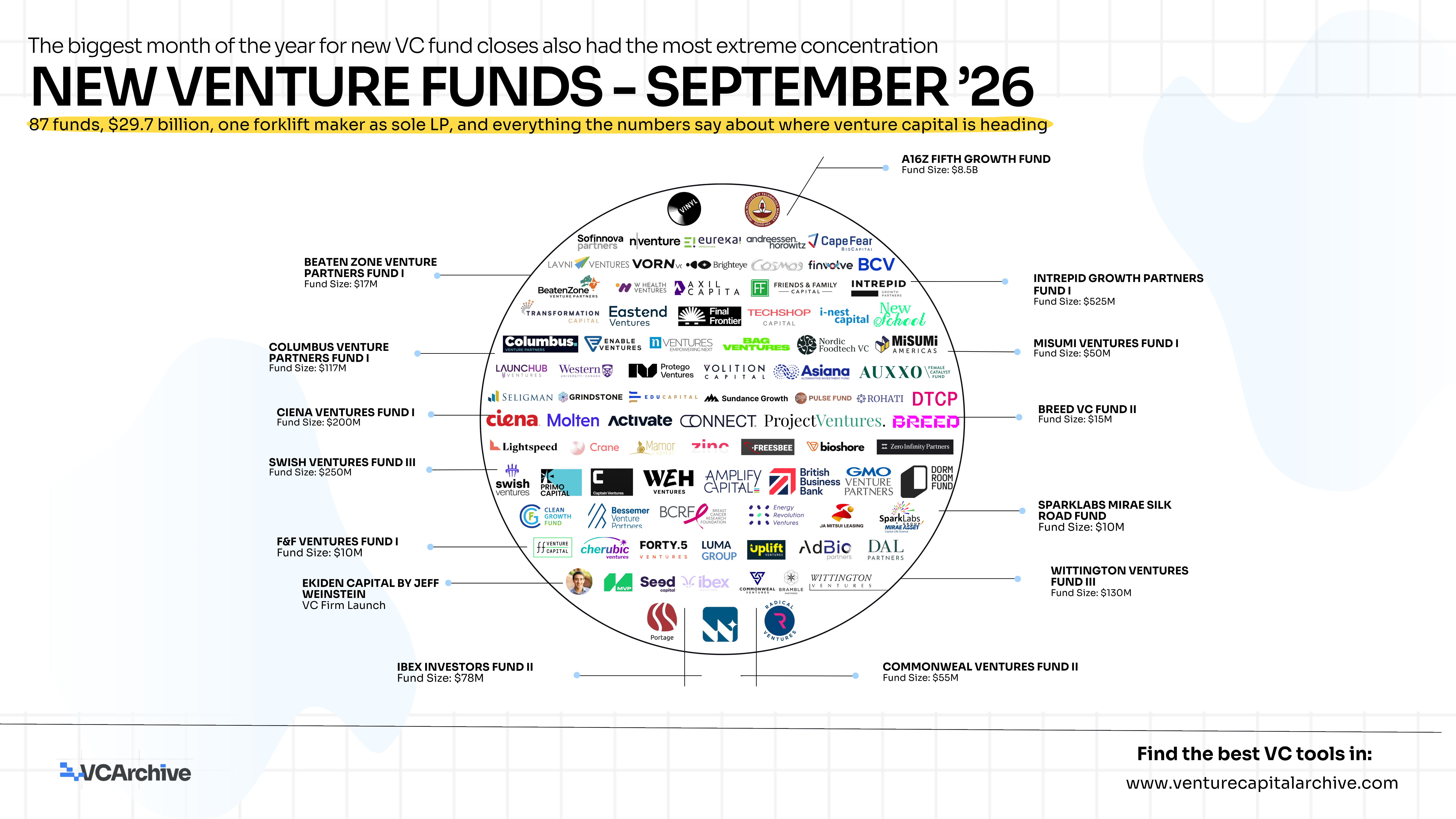
New Venture Funds - September 2026
The biggest fund formation month of 2026 also had the most extreme concentration we have tracked.
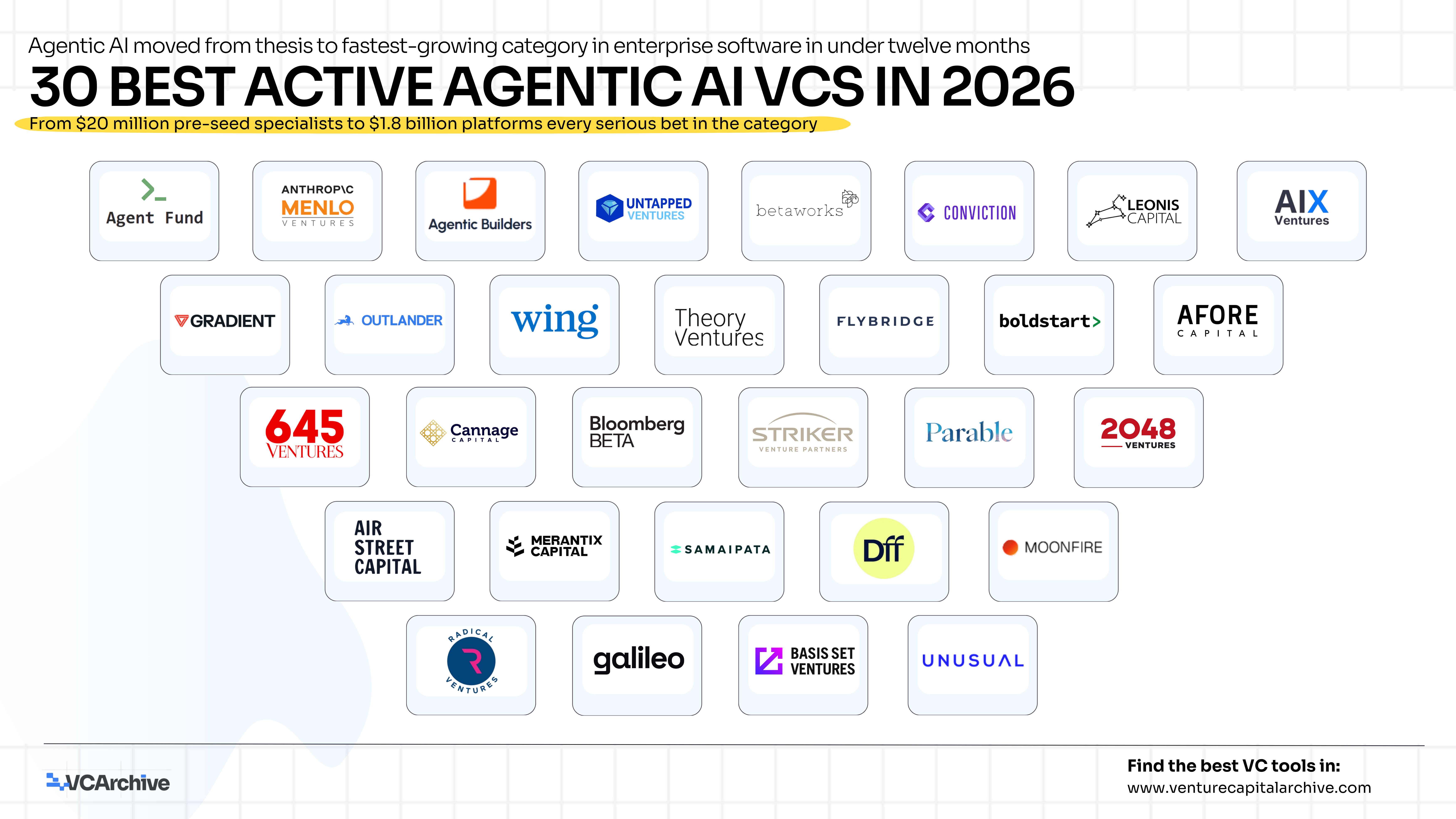
30 Best Active Agentic AI VCs in 2026
The shift from AI that assists to AI that acts autonomously is the biggest investment theme of 2026 and these 30 funds are at the centre of it
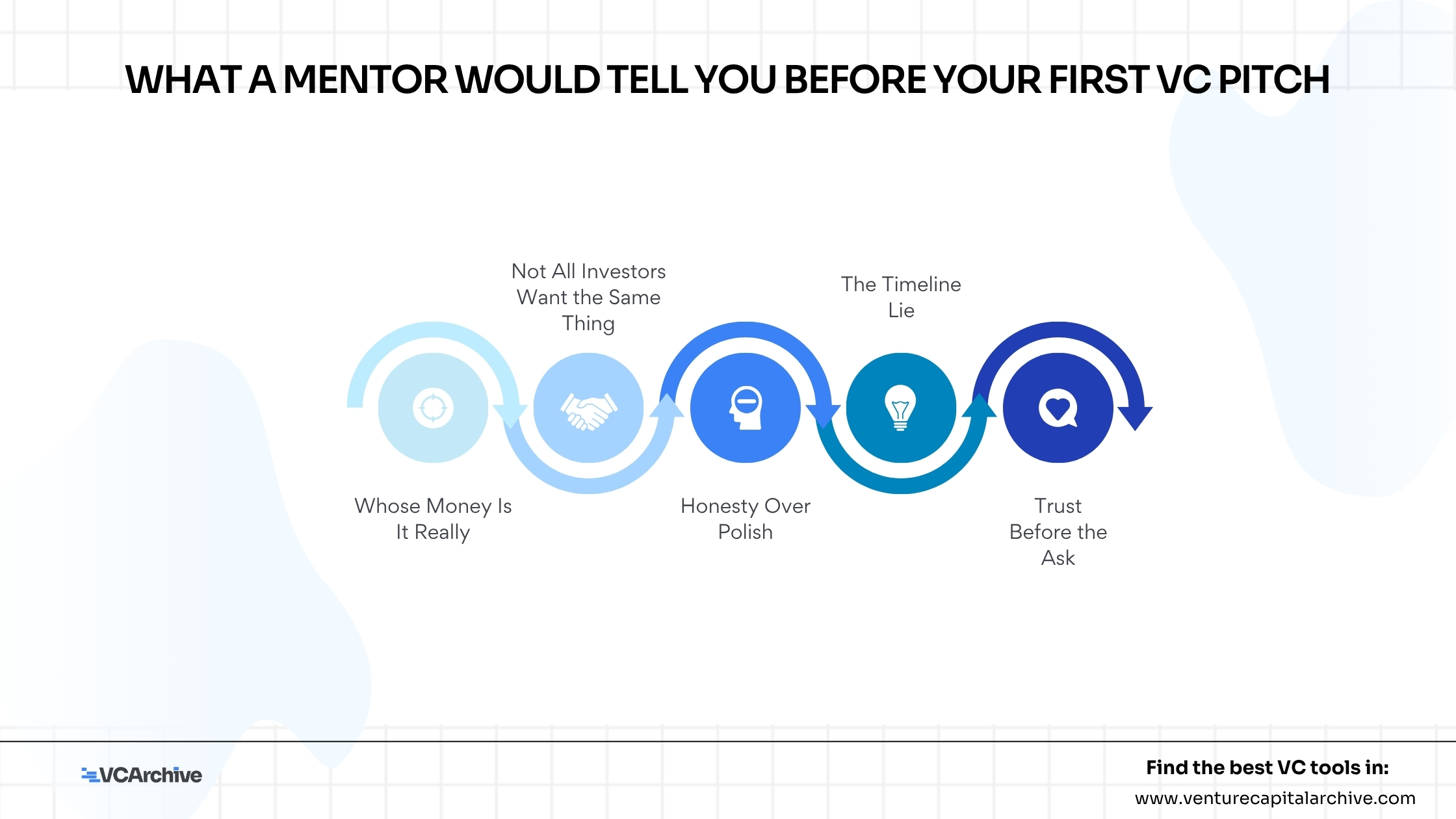
What a Mentor Would Tell You Before Your First VC Pitch
A practical guide to understanding how venture capital works, from LP capital and investor incentives to fundraising and relationships.