Top 25 VC & Startup Influencers You Should Be Following

In 2026, the venture capital market moves at a speed where waiting for the quarterly report means you already missed it. The ideas that shape where capital flows, which sectors get funded, which narratives get momentum, which founders get meetings often originate not in boardrooms but in tweets, essays, and podcasts from a small group of people with unusually large audiences and unusually strong points of view.
The 25 thought leaders on this list are not ranked by AUM or portfolio returns. They are ranked by something harder to measure and more consequential: the ability to shift how thousands of founders, investors, and operators think about what is happening and what comes next.
Some of them manage billions. Some of them write essays. Some of them just tweet. All of them moved the conversation in 2025.
Here are the 10 we think had the most impact. The full 25 are at venturecapitalarchive.com.
1. Sam Altman
Role: Former YC President, CEO of OpenAI
Platform: @sama - 4.3M followers
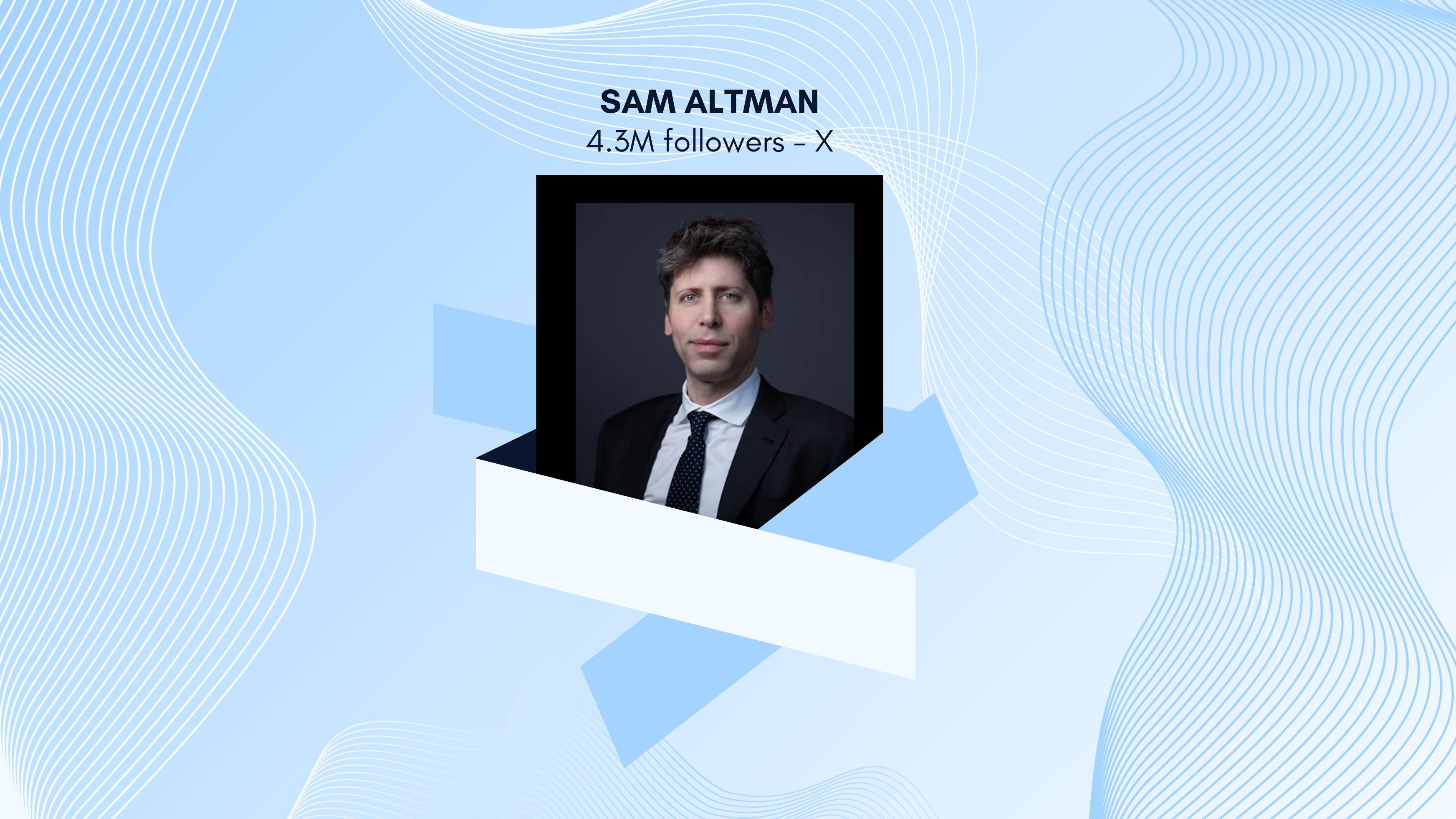
No single person shaped the venture conversation in 2025 more than Sam Altman. As the architect of the AI era's defining company, everything he says about AGI, compute, and the future of intelligence carries weight that no other voice in tech can match. He is not just a thought leader. He is the person the rest of the thought leaders are responding to.
Role: Co-founder of Andreessen Horowitz
Platform: @pmarca - 2M followers
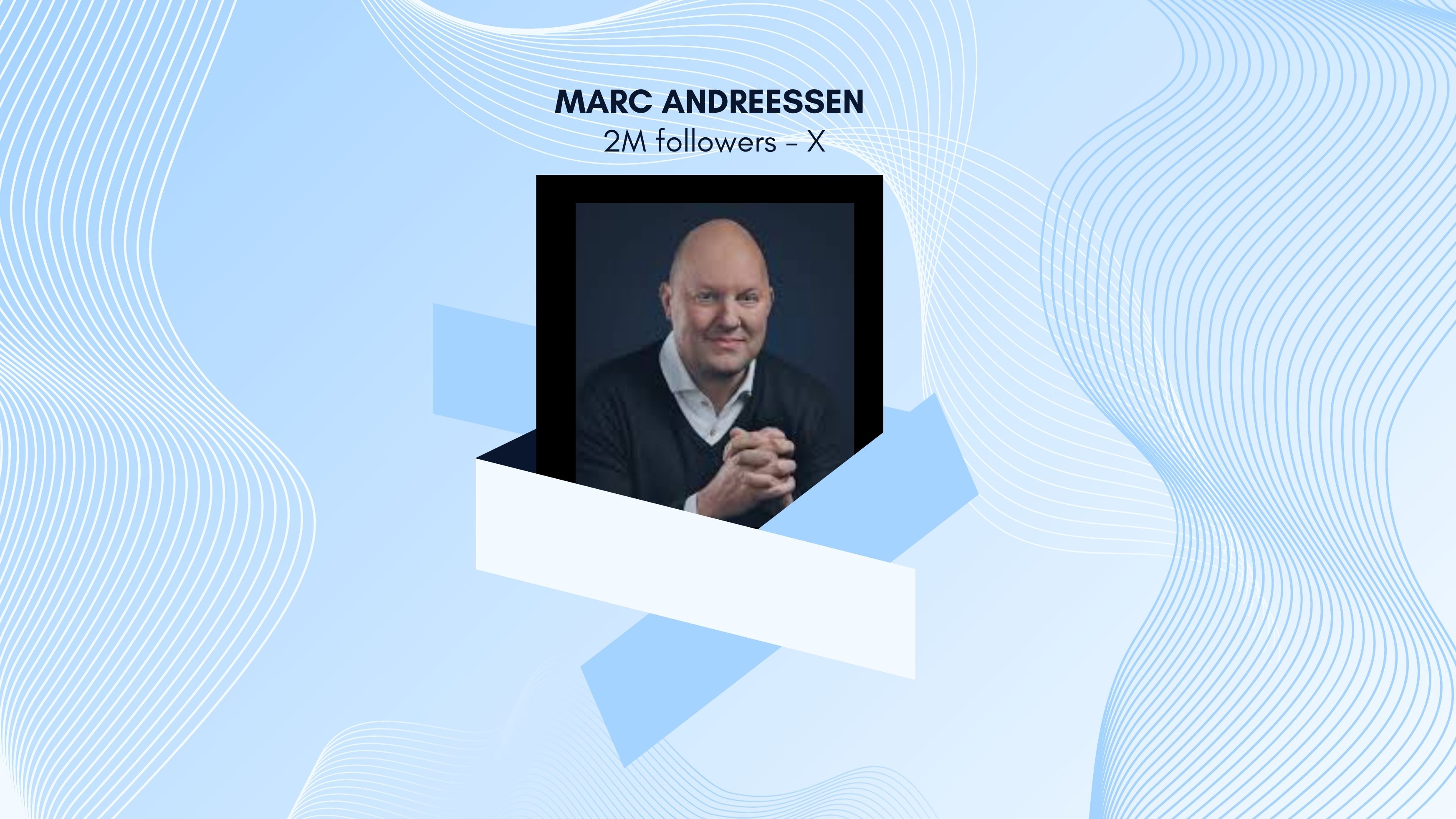
Andreessen has been predicting major technological and cultural shifts for three decades and has been right often enough that when he says something, the industry listens. In 2025 his writing on AI, techno-optimism, and the role of technology in society set the ideological tone for a significant chunk of how Silicon Valley thought about its own purpose.
Role: Angel investor, co-founder of AngelList
Platform: @naval - 3M followers
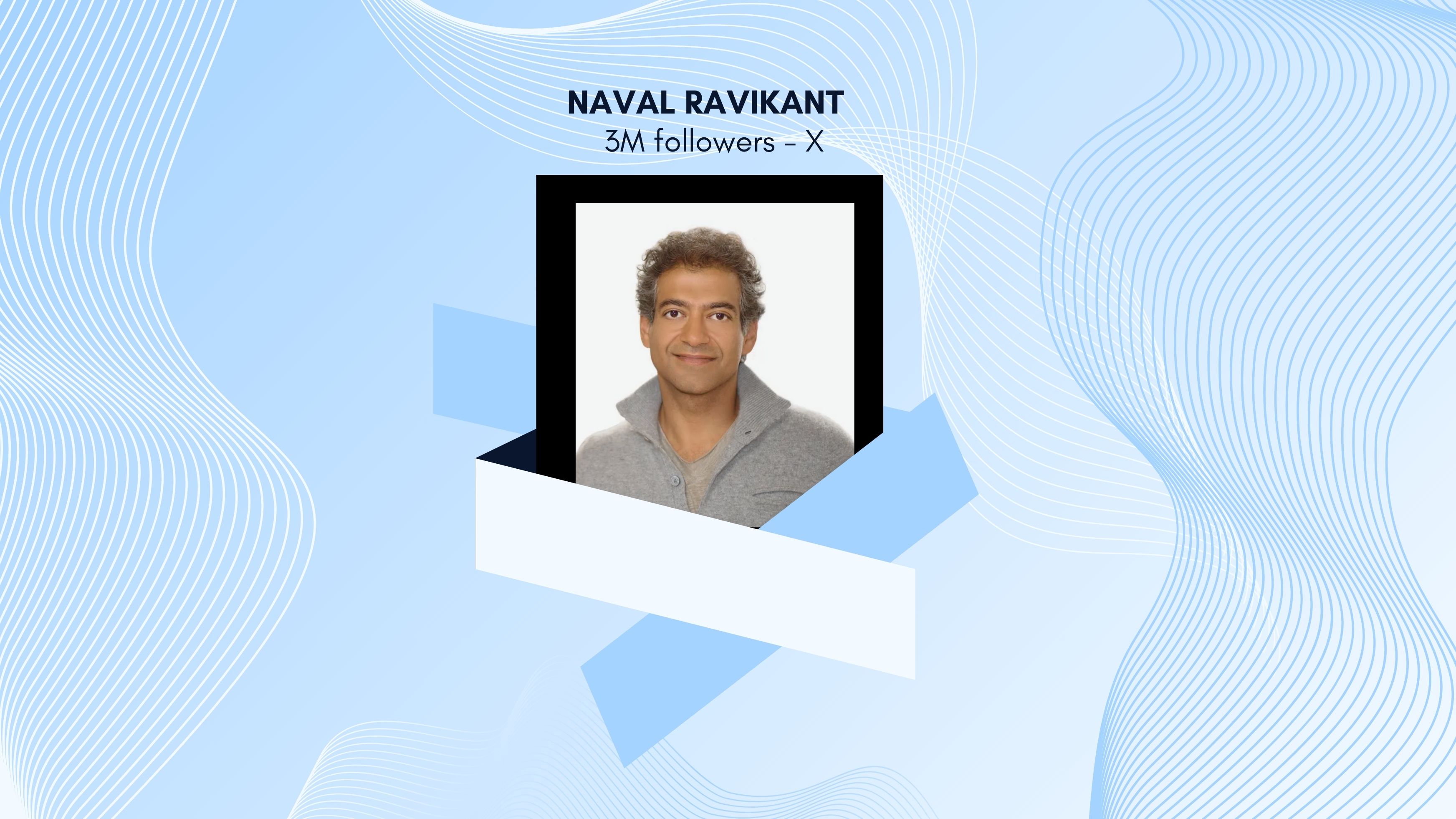
Naval is the philosopher of the venture world. His frameworks on wealth creation, leverage, and compounding have shaped how an entire generation of founders thinks about building companies. The third-highest follower count on this list, but arguably the highest signal-to-noise ratio of anyone here.
4. Paul Graham
Role: Co-founder of Y Combinator, essayist
Platform: @paulg - 2.1M followers

Paul Graham set the blueprint for early-stage startup philosophy and has never stopped refining it. His essays on founders, ambition, and what makes great companies are still the first thing most serious founders read. In 2025 his writing on AI and the changing nature of startups continued to define how the ecosystem thought about the early stage.
Role: Founder of Social Capital
Platform: @chamath - 1.9M followers
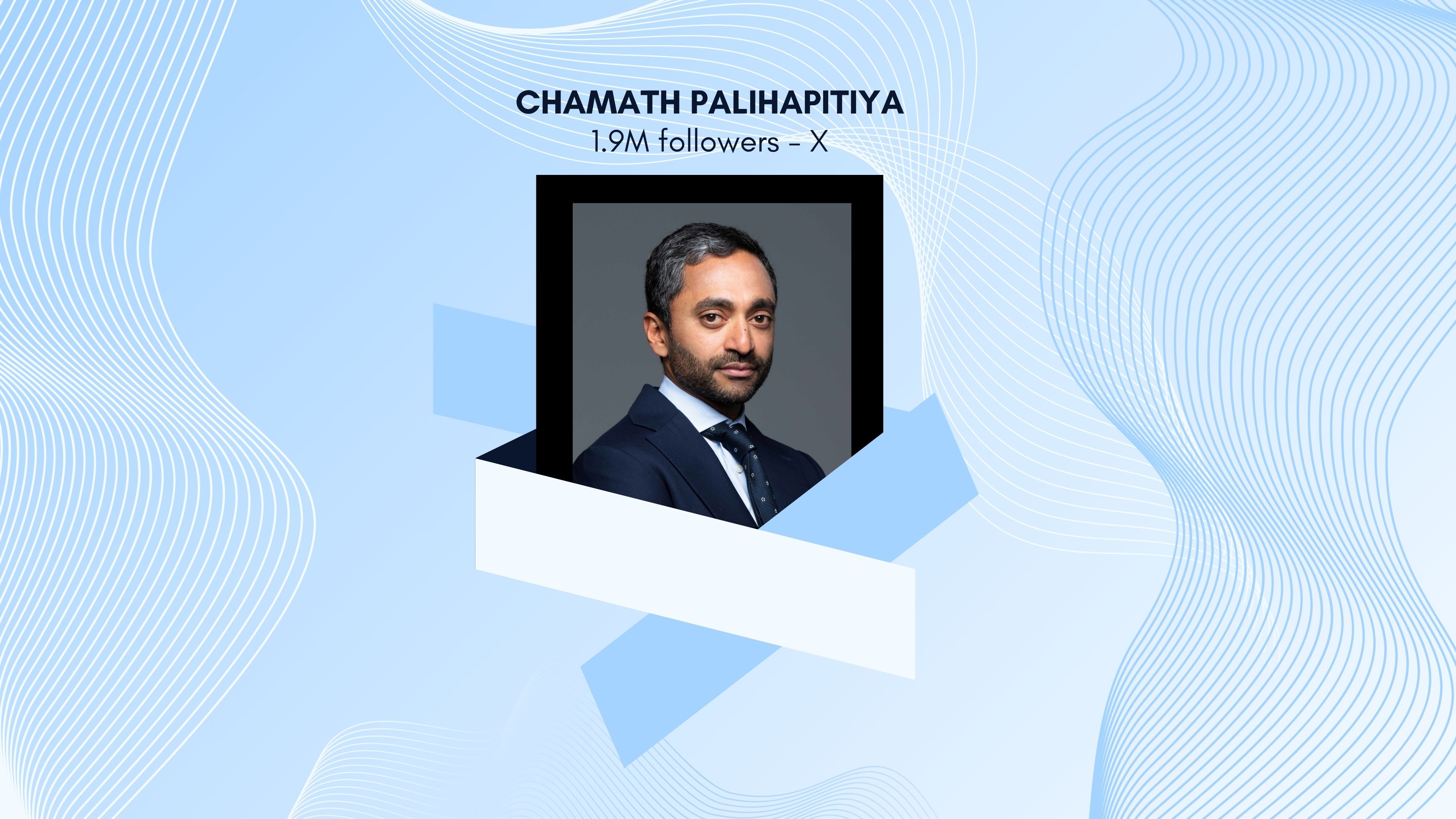
Chamath turns complex macro into founder-usable insights with a directness that most institutional investors avoid. He is polarising by design and that is precisely why he is influential - he forces people to take a position rather than stay comfortable. His commentary on interest rates, capital allocation, and the venture model shaped debate throughout 2025.
Role: Former CTO of Coinbase, angel investor
Platform: @balajis - 1.2M followers
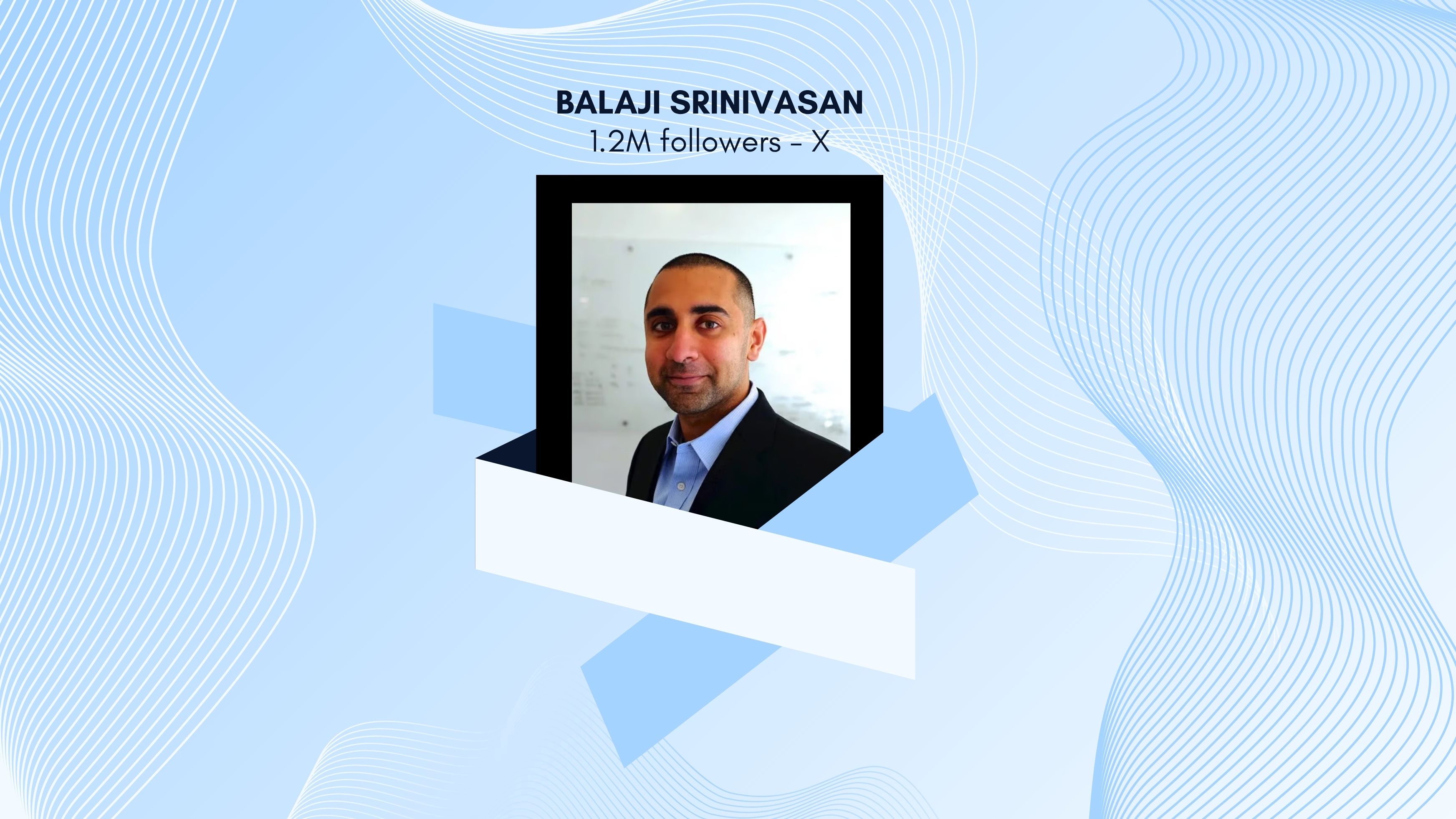
Balaji thinks further ahead than almost anyone on this list and is not afraid of being wrong in public. His frameworks on network states, decentralised systems, and the geopolitics of technology read as fringe until they do not. For investors who want to understand where the next decade's category-defining bets might come from, he is essential.
7. David Sacks
Role: Co-founder of Craft Ventures
Platform: @DavidSacks - 1.4M followers
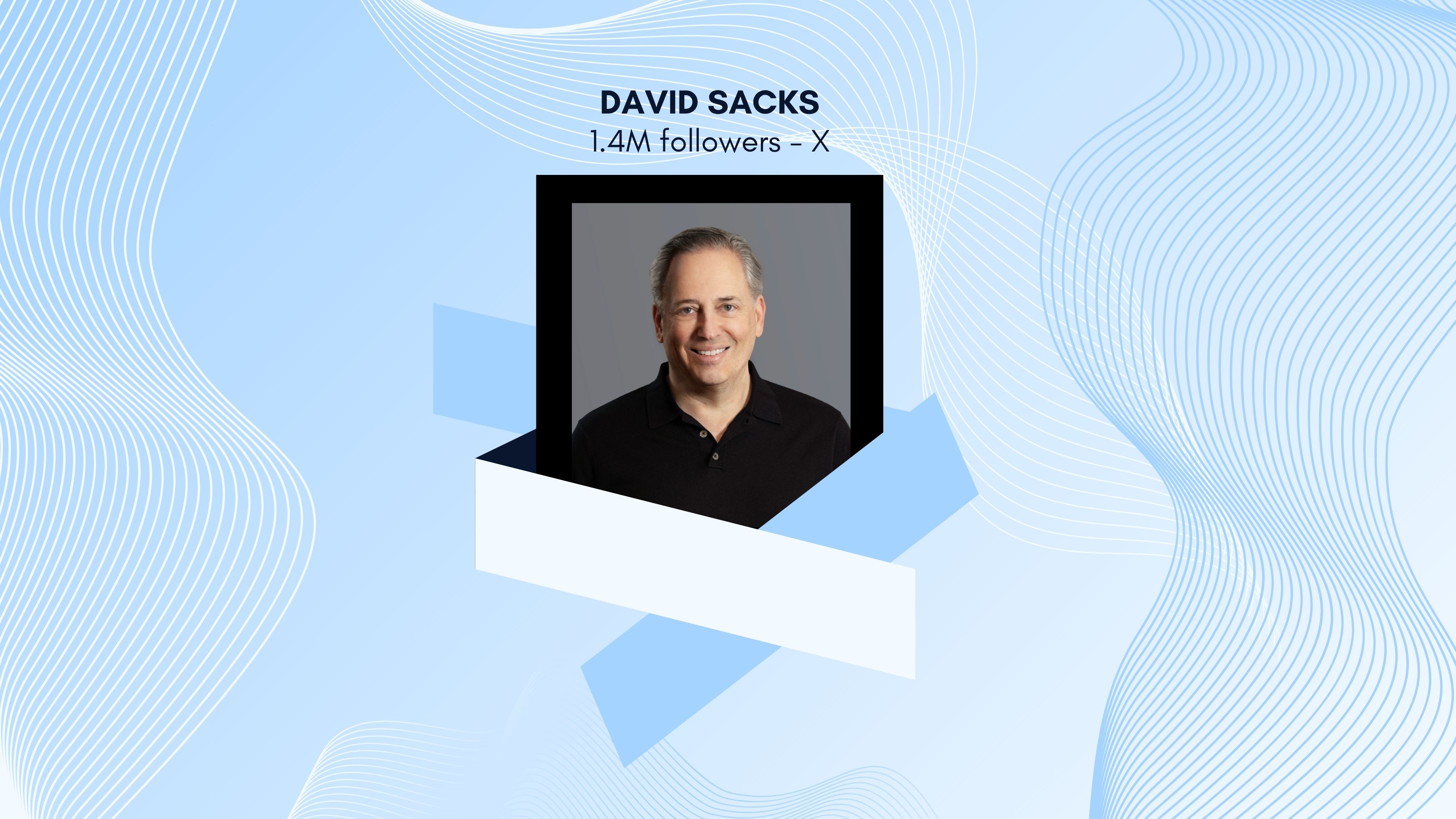
Sacks defined the standard for SaaS go-to-market and scaling during his time at PayPal and Yammer, and has spent the years since translating that into investment thesis. His commentary on AI, enterprise software, and the mechanics of scaling businesses is consistently precise and actionable. One of the most followed VCs on X for good reason.
8. Bill Gurley
Role: General Partner at Benchmark
Platform: @bgurley - 709K followers

Gurley is the authority on marketplace dynamics and unit economics. His long-form writing on platform businesses, pricing models, and the economics of winner-take-all markets has aged better than almost anything written in the last decade of venture. Less prolific than others on this list, but every post lands with weight.
Role: Former Airbnb product lead, investor
Platform: @lennysan - 294K followers
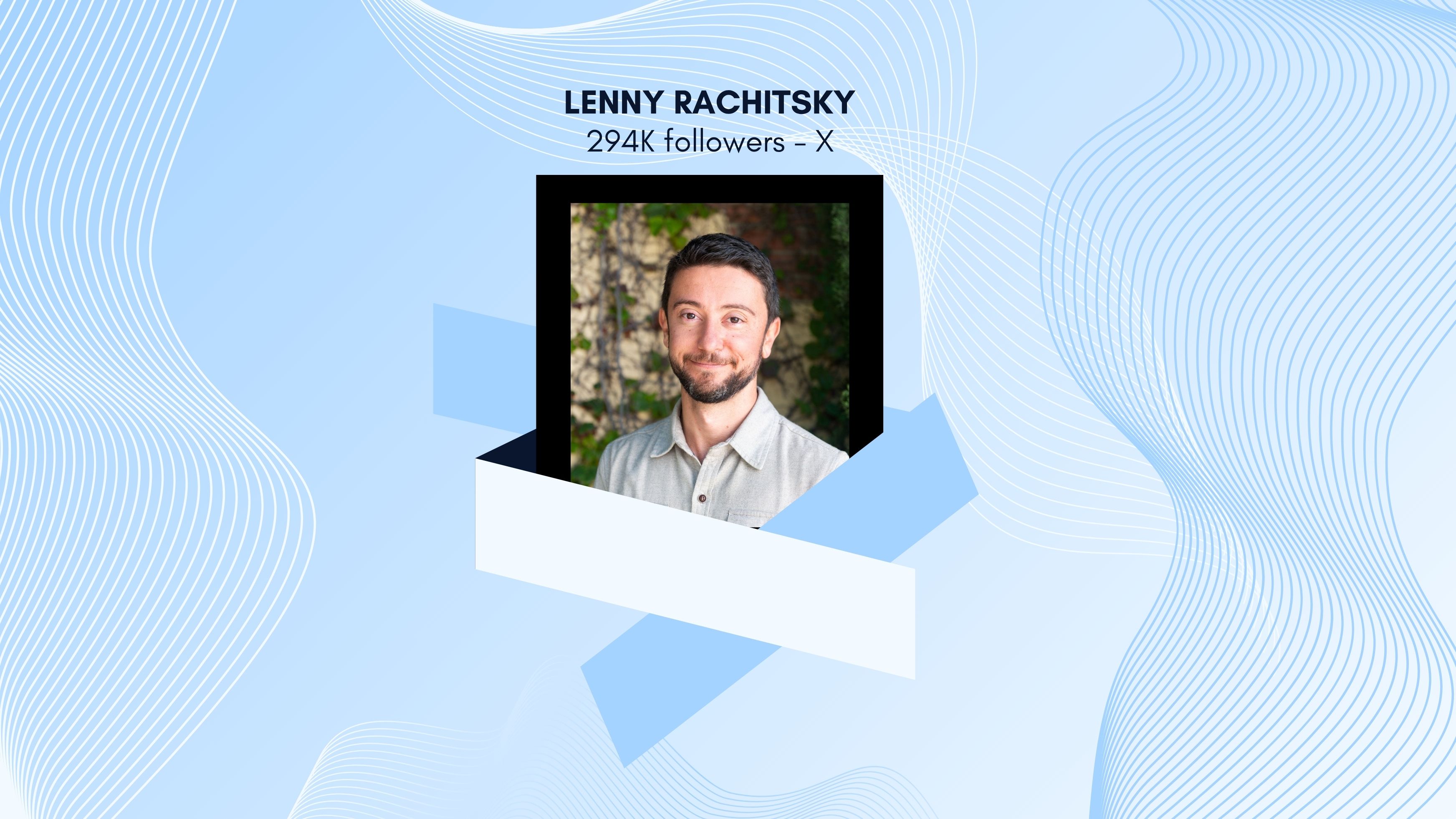
Lenny built the most trusted independent resource for product and growth execution in the industry. His newsletter has 294K subscribers, his podcast consistently ranks at the top of the charts, and his frameworks on product-market fit, retention, and growth loops are used by operators at companies from seed stage to public. The founder's thought leader on this list.
10. Harry Stebbings
Role: Founder of 20VC and Atomico partner
Platform: @HarryStebbings - 327K followers
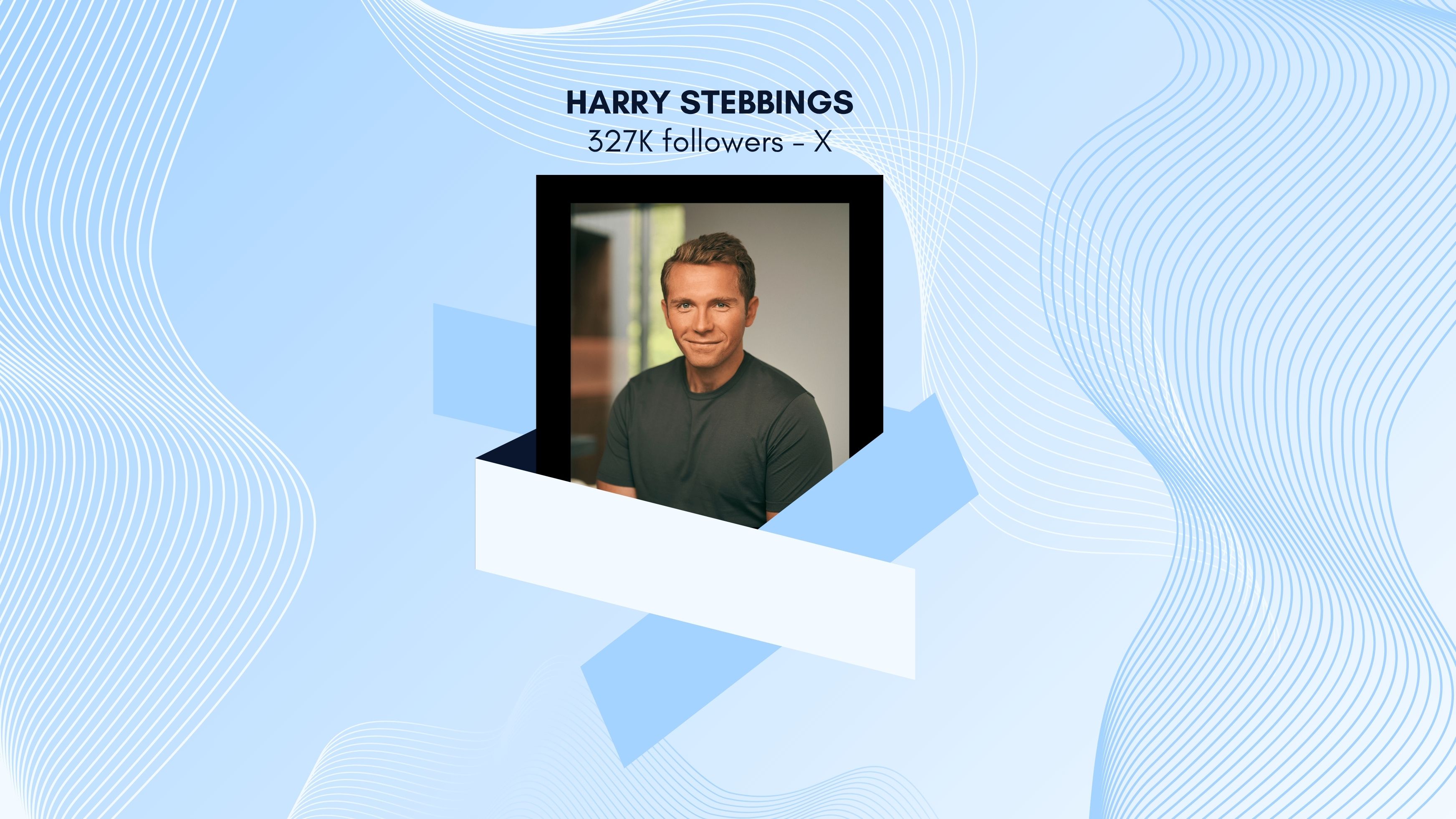
Stebbings bridges founder and investor perspectives at global scale better than anyone else in venture media. Through 20VC he has interviewed more top GPs and founders than perhaps any journalist or podcaster alive, and the breadth of that network feeds directly into how he thinks and what he publishes. In 2025 his influence across both media and actual investing continued to grow.
15 more voices. Just as sharp. Just as worth your follow.
The full list covers the complete range - from frontier tech visionaries and Web3 philosophers to diversity champions, early-stage truth-tellers, and the journalists who break what no one else will. Some have millions of followers. Some have tens of thousands. All of them shaped how the industry thought in 2025.
The question is not how many you follow. It is which ones you actually read.
Find all 25 - with full profiles, platforms, follower counts, and what each one is actually known for - at venturecapitalarchive.com.
Research and curation by the Venture Capital Archive team. Data sourced from the VCA Annual Report 2025. All follower figures as of 2025.
Top 25 Influencers 2025
Top 25 Influencers 2025 spotlights the most impactful voices shaping venture capital, startups, and technology this year. These individuals move markets, influence founders and LPs, and define the narratives driving innovation globally. Selected for their reach, credibility, and strategic insight, they represent the thinkers and operators setting the agenda for the modern venture ecosystem.
Alexis Ohanian co-founded Reddit and later launched Seven Seven Six, a venture fund built around the idea that the best investors also serve as the most active community builders and operators for their portfolio companies. His public profile spans technology, culture, sports ownership — including stakes in professional soccer and gaming teams — and advocacy for work-life balance in the startup world, including his widely discussed decision to take paternity leave while at Reddit. His commentary consistently connects community building, consumer behavior, and brand development as strategic assets in early-stage investing, drawing on Reddit's history as one of the most important community platforms ever built.
Arlan Hamilton founded Backstage Capital in 2015 while homeless and with no prior investing experience, building a fund focused exclusively on backing underrepresented founders — women, people of color, and LGBTQ+ entrepreneurs. She went on to invest in over 200 companies and write It's About Damn Time, a book documenting her journey and the systemic barriers she navigated along the way. Her public commentary consistently addresses the structural funding gaps in venture capital, the economics of backing underestimated founders before the rest of the market recognizes their potential, and what it actually takes to build an investment firm without the traditional network advantages that most GPs rely on from day one.
Balaji Srinivasan co-founded Counsyl and Earn.com, served as CTO of Coinbase, and was a general partner at Andreessen Horowitz before becoming an independent investor and writer. His book The Network State articulates a framework for how online communities could eventually achieve the political and territorial sovereignty of traditional nation-states — a thesis that has significantly influenced thinking about decentralized governance, crypto-native organization, and the future of geopolitical power. His public commentary consistently addresses the intersection of cryptography, decentralized systems, information theory, and long-horizon geopolitical forecasting in a way that pushes well beyond standard crypto market discussion.
Bill Gurley is a General Partner at Benchmark and one of the most respected venture investors of his generation, known for early bets on Uber, Zillow, OpenTable, and Stitch Fix. Before venture, he was a top-ranked Wall Street research analyst, which gives his public writing a financial rigor that is uncommon among investors who came up purely as operators or founders. His long-form essays on marketplace dynamics, SaaS unit economics, IPO market structure, and the dangers of excessive burn rates have become canonical reference points — particularly his widely cited analyses of how Uber's marketplace mechanics justified its scale and how the IPO process systematically disadvantages public market investors.
Chamath Palihapitiya, co-founder of Social Capital and co-host of the All-In Podcast, built his public profile as Facebook's VP of Growth before becoming one of the most outspoken voices in venture capital and public markets. He is known for breaking down complex macroeconomic dynamics — monetary policy, geopolitical risk, healthcare economics, climate infrastructure — into frameworks that founders and investors can actually use. His SPAC wave, controversial positions on China, and early conviction on companies like Slack and SurveyMonkey have made him a consistently polarizing but analytically serious figure in technology finance.
Chris Dixon is a General Partner at Andreessen Horowitz where he leads the crypto fund, having previously co-founded SiteAdvisor (acquired by McAfee) and Hunch (acquired by eBay). His book Read Write Own is the most substantive public intellectual framework for why blockchain technology matters as infrastructure for a more open internet, arguing that decentralized protocols will eventually shift value from platform intermediaries back to creators and users. His public writing distinguishes rigorously between crypto as a speculative asset class — which he discusses critically — and crypto as a foundational technology layer for rebuilding internet ownership structures, which he backs with consistent institutional conviction.
David Friedberg founded The Climate Corporation, which sold to Monsanto for $1.1B, and subsequently built a portfolio of science-intensive companies through his firm The Production Board, focusing on agriculture, biology, and materials. As co-host of the All-In Podcast, he is the member of the group most consistently grounded in hard science and empirical data — bringing rigorous quantitative frameworks to discussions of macroeconomics, climate technology, AI capabilities, and biotech. His commentary uniquely bridges the gap between deep scientific understanding and the capital allocation decisions that determine which technologies actually get built and scaled.
David Sacks is a co-founder of Craft Ventures, former COO of PayPal, and founder of Yammer — which sold to Microsoft for $1.2B — making him one of the few people in venture who has operated at the highest level across both founding and scaling. He is widely credited with defining the modern enterprise SaaS GTM playbook, including the concepts of the SaaS Magic Number and viral B2B growth loops. His public commentary consistently covers the mechanics of SaaS pricing, go-to-market architecture, and the policy and regulatory forces affecting technology companies, particularly around AI governance and antitrust.
Elad Gil is one of the most respected angel investors and operators in Silicon Valley, having scaled Color Genomics and held senior roles at Google and Twitter before becoming a prolific early-stage backer. He is best known for writing the High Growth Handbook, which distilled the operational playbook for scaling startups from seed to IPO. On social media and in his writing, Gil consistently surfaces emerging AI infrastructure narratives — particularly around compute, model deployment costs, and the structural moats being built at the foundation layer — months before they reach broader investor consensus.
Elizabeth Yin is a General Partner at Hustle Fund, a pre-seed and seed fund focused on backing high-velocity founders, and a former partner at 500 Startups. She is one of the most publicly active investors on the real tactical math of early-stage fundraising — publishing detailed frameworks on what a fundable business actually looks like at pre-seed, how investors evaluate traction signals before revenue, what SAFE terms mean for founder dilution at different valuation caps, and how to construct an investor outreach campaign that builds real momentum rather than just generating rejections. Her content is consistently grounded in the specific numbers and mechanics that most investors discuss only in private.
Eric Newcomer is the founder of Newcomer, an independent newsletter and media company covering the business and culture of venture capital with the sourcing depth of a beat reporter and the analytical frame of someone who has spent years embedded in the industry. Before going independent, he covered Silicon Valley for Bloomberg, where he broke major stories on Uber's internal dysfunction, WeWork's collapse, and other pivotal moments in the tech funding cycle. His current work focuses on the internal dynamics of venture firms, the LP-GP relationship under stress, AI infrastructure funding rounds, and the cultural shifts happening inside Silicon Valley as the current AI cycle reshapes power structures and capital flows.
Garry Tan co-founded Posterous, was a design partner at Y Combinator before co-founding Initialized Capital, and returned to YC as President and CEO in 2023 — making him one of the few people to have experienced the accelerator as a founder, investor, and institutional leader. As YC president, he has become a prominent and sometimes combative voice on San Francisco housing policy, tech industry regulation, and the conditions required for the next generation of startups to succeed. His public commentary covers early-stage company building, design thinking, the structural problems facing the Bay Area as a startup hub, and how policy decisions at the city and federal level directly affect startup formation rates and capital deployment.
Harry Stebbings built 20VC into the world's most downloaded venture capital podcast at 10M+ monthly downloads before converting that platform into the 20VC Fund family, now managing $800M+ across multiple vehicles. He started the podcast at 18 with no industry connections and built his entire network and investment track record through media distribution — making him the defining example of the media-to-venture flywheel in practice. His public commentary and interviews span fund mechanics, LP relations, founder scaling strategies, and the evolving dynamics of how GPs build differentiated sourcing advantages in increasingly competitive early-stage markets.
Jason Calacanis is one of the most prolific and publicly accessible angel investors in Silicon Valley, with early bets on Uber, Robinhood, Calm, and over 300 other companies. As the founder of This Week in Startups and co-host of the All-In Podcast, he has built one of the largest media platforms in venture — using it simultaneously as a content engine, a sourcing channel, and a founder education resource. His LAUNCH accelerator and syndicate have democratized access to early-stage co-investment opportunities for thousands of investors who would otherwise have no entry point into competitive seed-stage deals.
Josh Kopelman founded First Round Capital in 2004, effectively pioneering the institutional seed fund model before most of the industry recognized seed as a distinct and investable asset class. He previously founded Half.com, which sold to eBay for $350M, giving him operating credibility that informed First Round's founder-first culture and post-investment support model. First Round has since backed Uber, Square, Warby Parker, Notion, Roblox, and dozens of other companies that became category-defining. His public writing and commentary consistently focuses on the mechanics of seed-stage company evaluation, what separates strong founding teams from the rest, and how the seed market has structurally changed as institutional capital moved earlier into the company formation cycle.
Lenny Rachitsky spent seven years at Airbnb as a product lead and growth manager before building one of the most influential product and growth media platforms in the startup world — a newsletter reaching 700K+ subscribers and a podcast with millions of downloads. His content is built entirely from practitioner experience and detailed research, covering growth loops, retention strategy, product-market fit diagnosis, pricing decisions, organizational design, and the leadership transitions that trip up scaling companies. Unlike most startup media, he publishes original survey research and benchmark data collected directly from hundreds of operators and PMs — making his content a primary source rather than a commentary layer.
Marc Andreessen co-founded Netscape, created the first widely used web browser, and later co-founded Andreessen Horowitz — now managing over $35B in assets across software, bio, crypto, and American dynamism funds. His 2011 essay Software is Eating the World remains one of the most cited frameworks in venture capital, and his more recent Techno-Optimist Manifesto sparked significant debate about the role of technology in solving civilizational problems. On social media and in long-form writing, Andreessen consistently predicts major technological and cultural shifts years in advance — from mobile dominance and cloud infrastructure to AI acceleration and the geopolitical competition over semiconductor supply chains.
Michael Seibel co-founded Justin.tv, which pivoted to become Twitch and sold to Amazon for $970M, and has since served as a YC partner and CEO of YC's core accelerator program. Known as one of the most direct and candid voices on early-stage company building, his YouTube channel and social media content consistently cuts through the motivational noise that dominates most startup advice to focus on the practical, uncomfortable realities of founder execution — why most startups fail, how to have honest conversations about product-market fit, and what the difference is between founders who succeed and those who don't when the data is telling them to change direction.
Naval Ravikant co-founded AngelList, which became the infrastructure layer for the modern angel investing and syndicate ecosystem, and made early investments in companies including Twitter, Uber, and Yammer before they were widely known. His tweetstorm on How to Get Rich Without Getting Lucky and the subsequent podcast series with Nivi have become some of the most widely shared frameworks on wealth creation, leverage, and the economics of building software businesses in the internet age. His public philosophy consistently returns to the themes of specific knowledge, permissionless leverage, and the idea that the most defensible advantage an individual can build is a unique combination of skills that cannot be replicated at scale.
Packy McCormick built Not Boring from zero to 250K+ subscribers and converted that audience into a venture platform — Not Boring Capital — that has backed companies including Levels, Causal, and Replit. His essays are among the most widely shared in venture capital because they combine genuine analytical rigor with a narrative quality that makes complex technology and business model dynamics genuinely readable for a broad professional audience. His recurring themes include the economics of hard tech and capital-intensive industries, how powerful narratives lower the cost of capital and accelerate product adoption, and what it looks like when technology genuinely creates new market categories rather than just displacing existing ones.
Patrick O'Shaughnessy runs O'Shaughnessy Asset Management and hosts Invest Like the Best, one of the most intellectually serious long-form investing podcasts available, with guests spanning the full range from legendary public market investors and private equity allocators to venture capitalists, founders, and academics. His commentary consistently connects institutional investing frameworks — capital allocation discipline, business quality assessment, competitive moat analysis, and long-run compounding — to the technology and venture world in a way that is rare from someone who operates across both domains at a high level. His media platform also reaches an unusually sophisticated cross-asset audience that few venture-focused voices can match.
Paul Graham co-founded Y Combinator in 2005, which has since produced Airbnb, Stripe, Dropbox, Coinbase, DoorDash, and hundreds of other companies representing over $600B in combined value. Before YC, he founded Viaweb, one of the first web-based application companies, which sold to Yahoo in 1998. His essays — covering founder psychology, startup philosophy, the nature of wealth creation, and the mechanics of early-stage company building — have become the foundational intellectual canon of Silicon Valley. More than almost any other single person, Graham defined what it means to think like a startup founder, and his writing continues to shape how thousands of new founders approach building from zero.
Reid Hoffman co-founded LinkedIn, which sold to Microsoft for $26.2B, and has been a General Partner at Greylock since 2009, backing companies including Airbnb, Facebook, and Convoy. He coined the concept of Blitzscaling — prioritizing speed over efficiency to capture winner-take-all markets under uncertainty — which has become one of the most widely applied frameworks in venture-backed growth strategy. More recently, Hoffman has become one of the most publicly engaged voices on AI ethics, responsible deployment, and the intersection of artificial intelligence with democratic institutions, authoring multiple books on the subject and funding AI safety research.
Sam Altman is the CEO of OpenAI and one of the most consequential figures in the current AI cycle, having led the company from a non-profit research lab to a $157B+ valued enterprise deploying the world's most widely used AI systems. Before OpenAI, he served as president of Y Combinator, where he shaped the accelerator's expansion into late-stage growth and international markets. His public writing and commentary consistently addresses the long-horizon implications of artificial general intelligence — covering compute economics, safety tradeoffs, geopolitical competition over AI infrastructure, and the structural changes that near-AGI systems will force across labor markets and capital allocation.
Sarah Guo founded Conviction, a venture firm focused exclusively on AI-native companies, after years as a partner at Greylock where she led investments in enterprise software, security, and infrastructure. Her podcast No Priors — co-hosted with Elad Gil — has become one of the most technically substantive public resources for understanding the frontier of AI research and deployment, featuring researchers and founders working directly on foundational models, AI security, and autonomous systems. Her investment thesis is built around the conviction that AI will not just augment existing software categories but will fundamentally replace entire workflow layers, creating new company formation opportunities that require a different evaluation framework than traditional SaaS.
More from Dario Villena
View author profile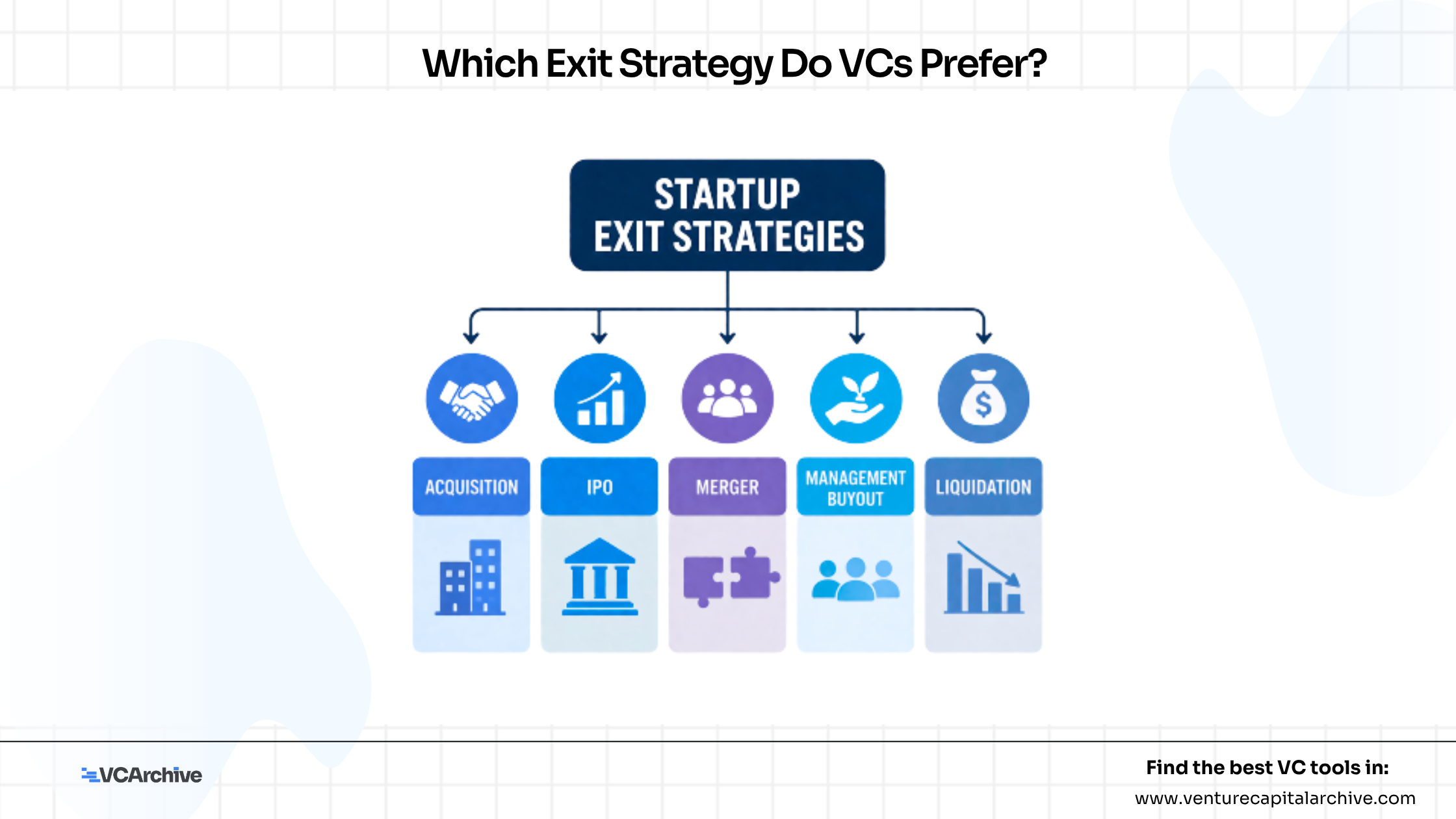
Which Exit Strategy Do VCs Prefer?
Most venture capitalists do not prefer any particular exit strategy. What they prefer is a strong company to have several options.
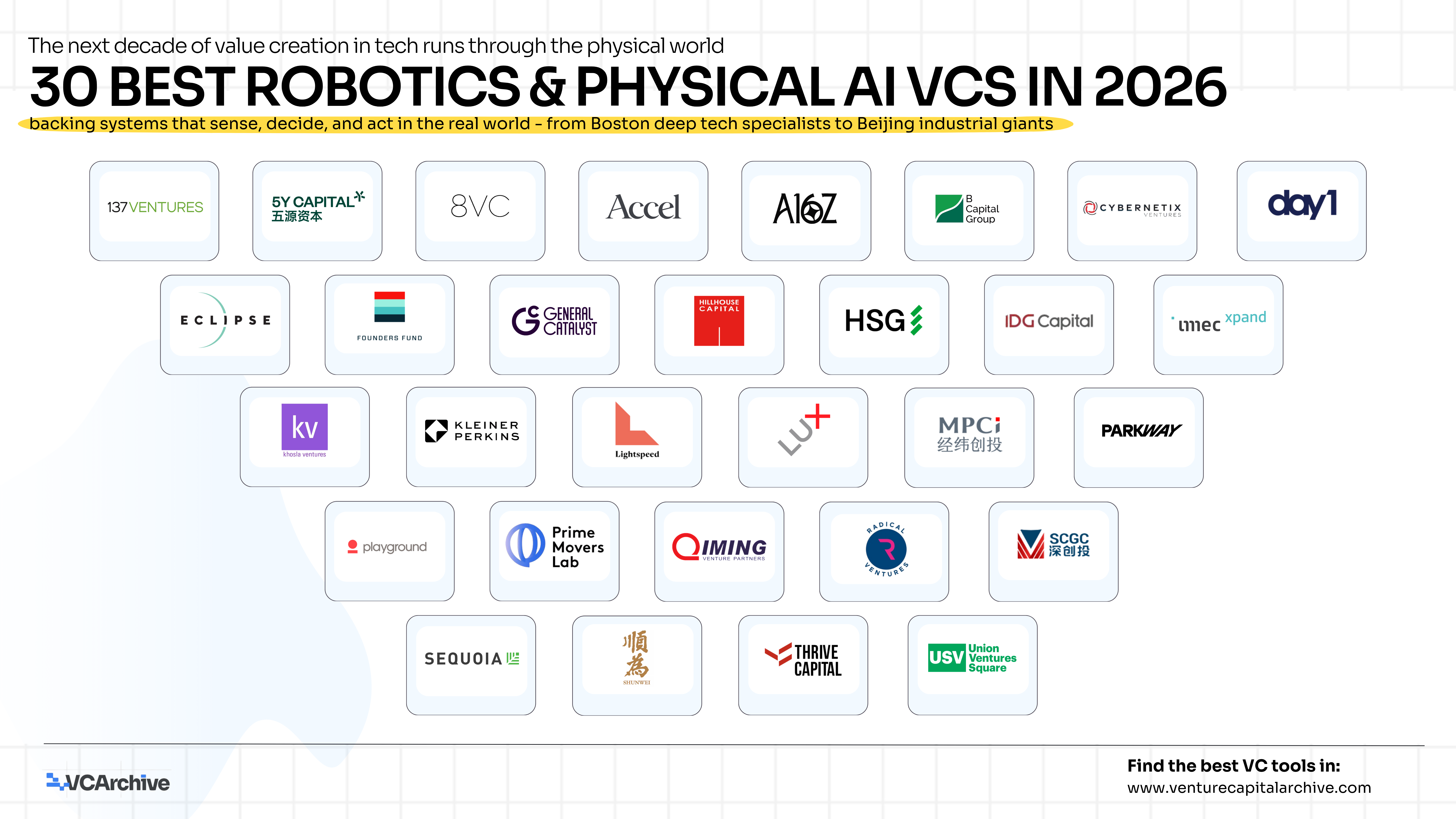
30 Best Active Robotics & Physical AI VCs in 2026
Software built the last decade. Physical AI is building the next one. These are the funds that are backing it.
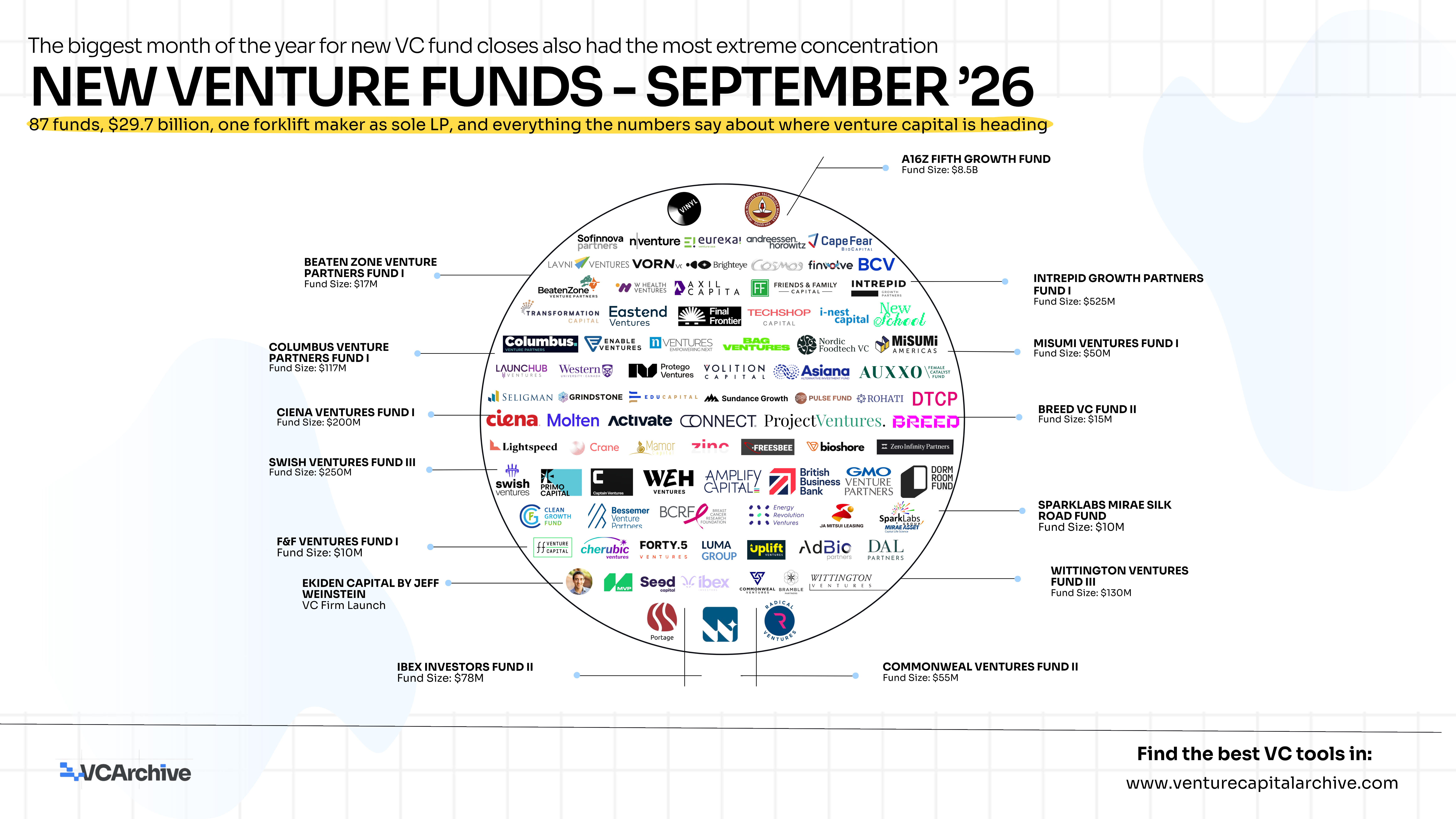
New Venture Funds - September 2026
The biggest fund formation month of 2026 also had the most extreme concentration we have tracked.