The Hidden Dangers of High Burn Rates: A 2025 Guide for Startups
In the venture capital world, we've observed a critical pattern: burning through cash quickly doesn't just increase your risk of running out of money—it fundamentally undermines your startup's ability to succeed. As we move through 2025, with investors prioritizing efficiency over growth-at-all-costs, understanding burn rate risks has never been more crucial.
What is Startup Burn Rate and Why Does It Matter?
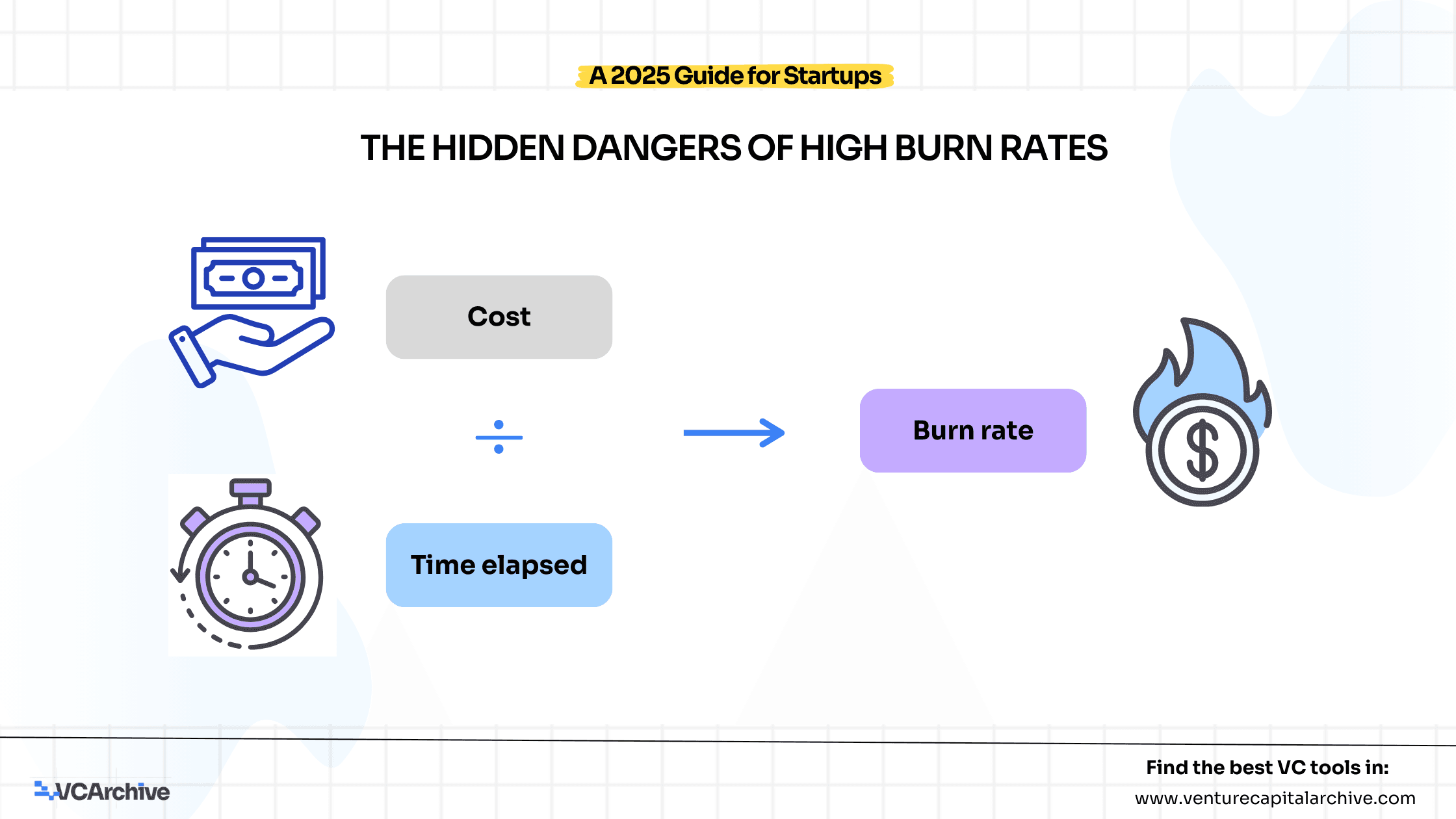
Startup burn rate is the rate at which a company spends its cash reserves before generating positive cash flow. Understanding your cash burn rate determines your startup runway—how long you can operate before running out of money.
The numbers are stark: 29% of startups fail because they run out of cash, while 20-25% fail in their first year, rising to over 50% by year five due to unchecked expenses.
The 2025 VC Funding Landscape
The VC funding environment has fundamentally shifted:
- 45% of U.S. venture-backed tech startups burned over $1 million monthly in 2024
- Investors now expect burn multiples below 1.0x for top performers
- Recommended cash runway: 24-30 months minimum
- Focus shifted from growth-at-all-costs to capital efficiency
Eight Critical Dangers of High Burn Rates
1. Loss of Adaptability
High burn rates kill your ability to pivot. When supporting a large team and infrastructure, your company becomes unwieldy. In volatile markets with AI hype cycles and economic uncertainty, inability to change course quickly is fatal.
2. The One-Way Street of Hiring
Hiring is easy. Layoffs are devastating—emotionally, culturally, and operationally. Once you're stuck with an oversized team, reversing course becomes nearly impossible without irreparable damage.
3. Hiring Becomes the Default Solution
When flush with cash, managers solve every problem by hiring more people. This creates bloat while degrading management quality, as leaders lose discipline to find efficient solutions.
4. The Illusion of Success
Large teams, impressive offices, and high expenses create a fake "we've made it!" feeling. This removes essential pressure to deliver real results. Comfort is the enemy of startup success.
5. Communication Overhead
More people multiply communication overhead exponentially. Your company bogs down, decision-making slows, and what was once nimble becomes frustrating.
6. The Escalating Fundraising Trap
Each funding round becomes harder when you have a bigger operation to feed. This escalating appetite dramatically increases your risk of a catastrophic down round—and high-burn startups almost never survive down rounds.
7. Toxic Term Sheets
Even if you raise an up round, you'll likely accept terrible structural terms—ratchets, liquidation preferences—when desperate. That friendly investor willing to meet your valuation? Imagine them owning 80% after a down round.
8. No Exit When Markets Turn
When markets deteriorate, M&A activity stops. Nobody wants to acquire a cash-incinerating startup. There will be no Plan B.
How to Calculate Your Burn Rate
Net Burn Rate = Monthly revenue - Monthly operating expenses
Burn Multiple = Net burn ÷ Net new ARR
Runway = Cash reserves ÷ Net monthly burn rate
2025 Benchmarks by Industry
SaaS: Burn multiple <1.5x at Series A, <1.0x at Series B. Target 24-30 month runway.
Biotech: Higher burn tolerance for R&D, but miscalculated financing runways are the top threat in 2025.
E-commerce: Revenue growth should be 2x burn rate. Maintain 18-month minimum runway.
What Investors Expect in 2025
✓ Capital Efficiency: Burn multiples below 1.0x
✓ Extended Runway: 24-30 months minimum
✓ Path to Profitability: Clear timeline to cash flow positivity
✓ Unit Economics: CAC payback under 12 months
✓ Revenue Growth: Growth rate outpacing burn rate
Practical Strategies to Reduce Burn Rate
1. Revenue Growth Outpacing Expenses
Every dollar spent should have a clear path to generating returns. Track revenue per employee monthly and eliminate spending that doesn't directly impact revenue.
2. Regular Cash Flow Monitoring
Use burn rate calculators and rolling 13-week cash forecasts. This is about informed decision-making, not paranoia.
3. Maintain 24-30 Months Runway
This gives breathing room to execute, weather downturns, and negotiate from strength when fundraising.
4. Track Efficiency Metrics
Focus on burn multiple, months to breakeven, CAC payback period, and revenue per employee—not vanity metrics like team size.
5. Build Frugality Culture
Question every hire, negotiate vendor contracts aggressively, choose remote/hybrid, and implement zero-based budgeting.
Warning Signs Your Burn Rate Is Too High
🚨 Red Flags:
- Runway under 12 months
- Burn multiple consistently above 2.0x
- Planning to raise again within 6 months
- Monthly expenses increased 50%+ without proportional revenue growth
- Team size doubled but revenue didn't
Your Action Plan for 2025
Month 1: Calculate current burn rate and runway. Benchmark against industry standards.
Month 2: Cut bottom 20% of spending by ROI. Renegotiate major vendor contracts.
Month 3: Set burn rate reduction targets (20-30%). Create 18-month financial model.
Ongoing: Weekly cash reviews, monthly burn analysis, quarterly strategy adjustments.
Conclusion: Survive to Thrive
The startups that thrive in 2025 will be disciplined about cash management, realistic about markets, and focused on building sustainable businesses rather than chasing funding rounds.
The question isn't "How much can I raise?" but "How efficiently can I build value?"
More from Dario Villena
View author profile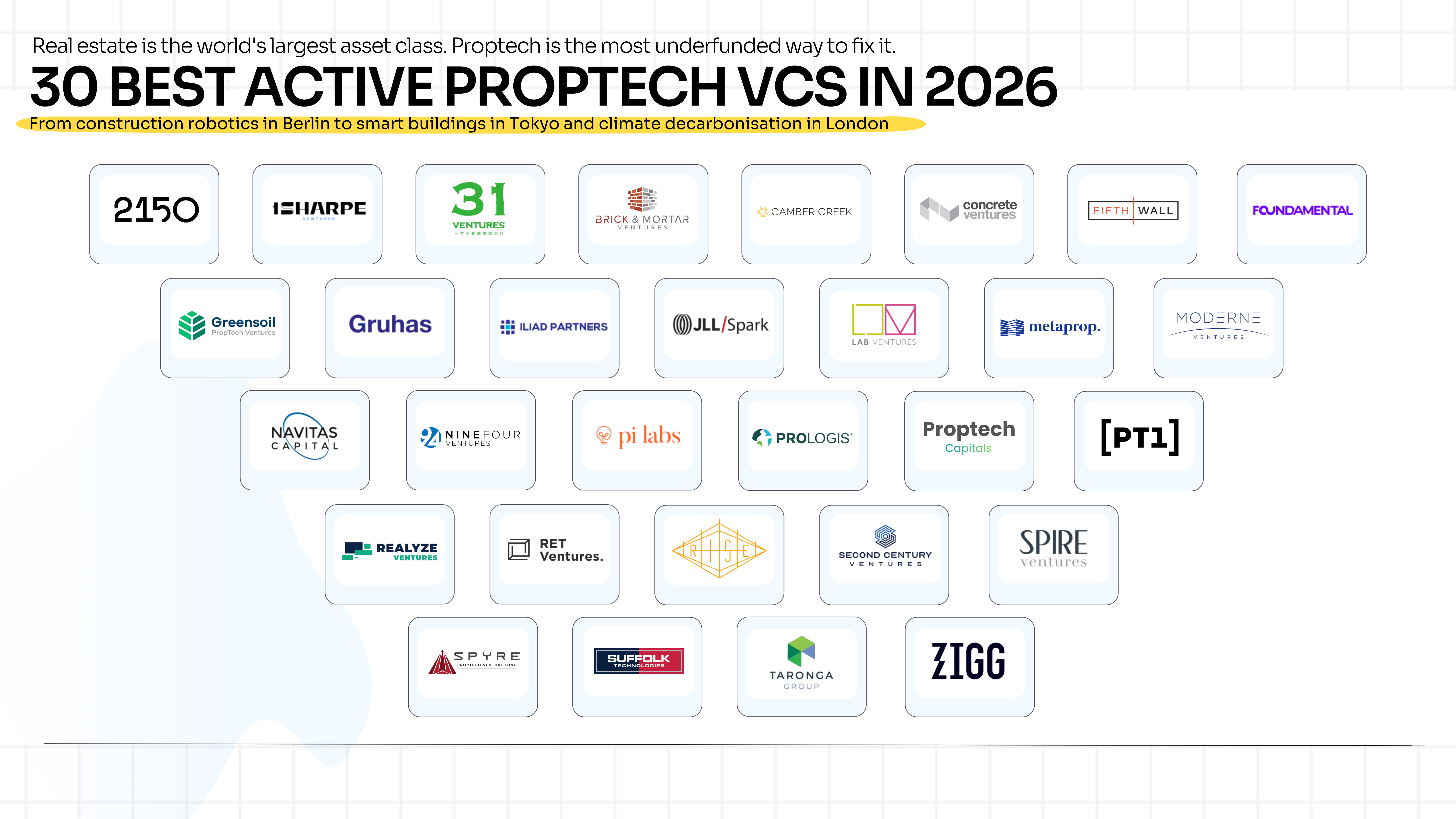
30 Best Active PropTech VCs in 2026
Every building you have ever been in was designed, built, managed, and financed using technology that has barely changed since the fax machine was invented. That is finally, genuinely changing.
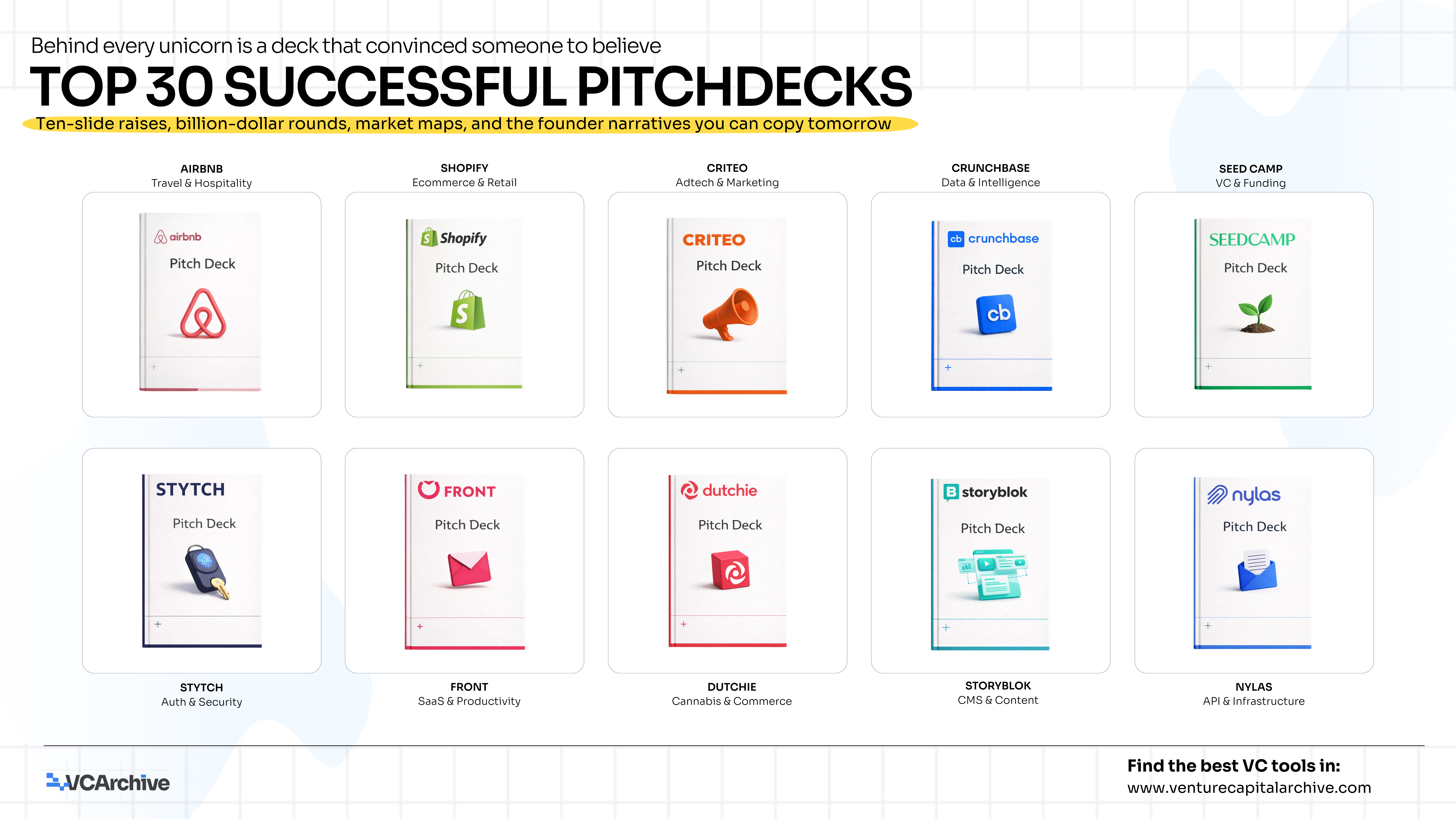
Top 30 Startup Pitch Decks to Model Yours On
The difference between a "no" and a $120M Series C often comes down to a few slides. Here are 30 that got the yes
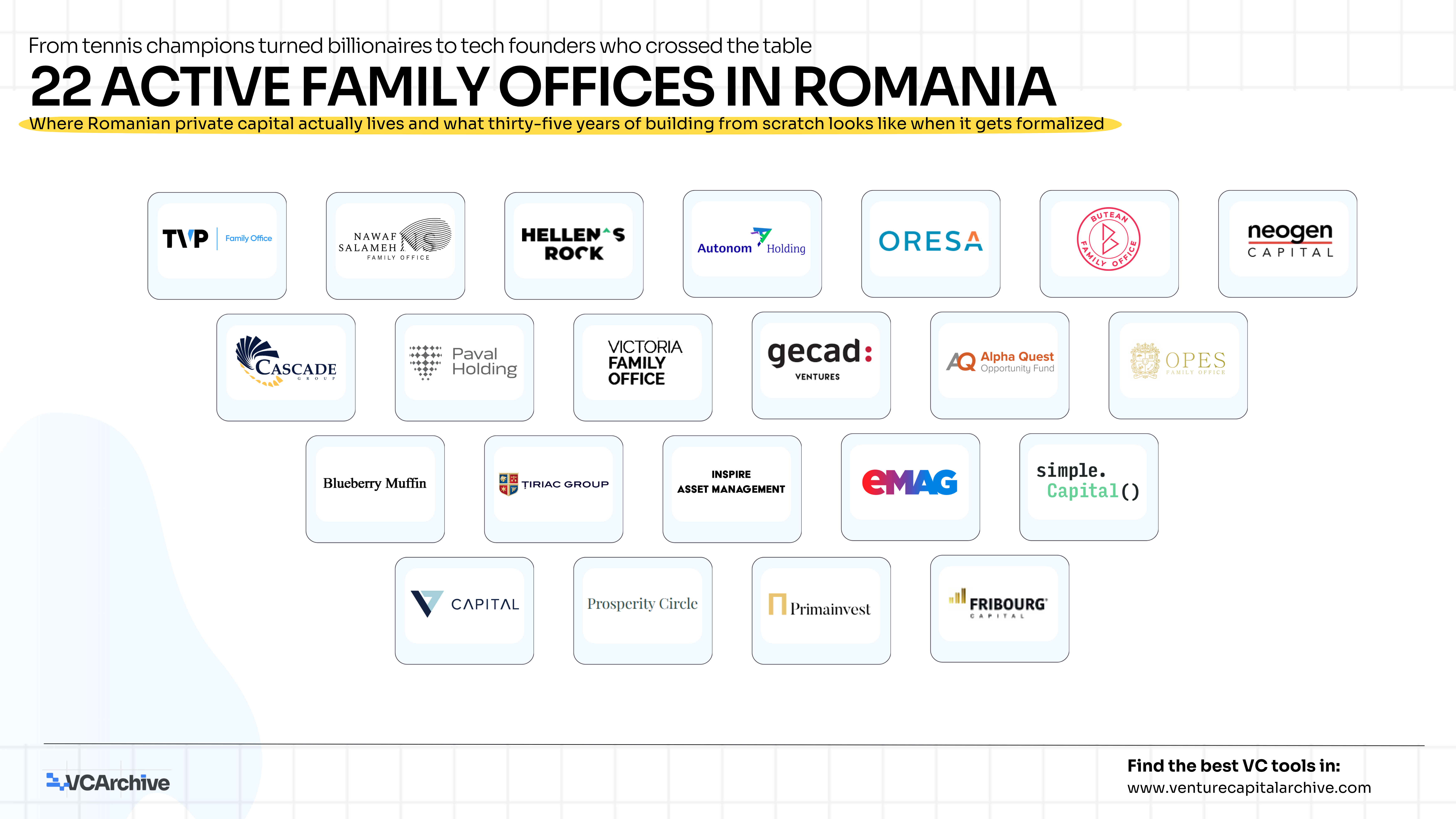
22 Active Family Offices in Romania
The country that gave the world Dracula and the first electric street lighting built its billionaires the same way. In the dark, faster than anyone expected.