The Era of Operational Venture Capital Has Arrived
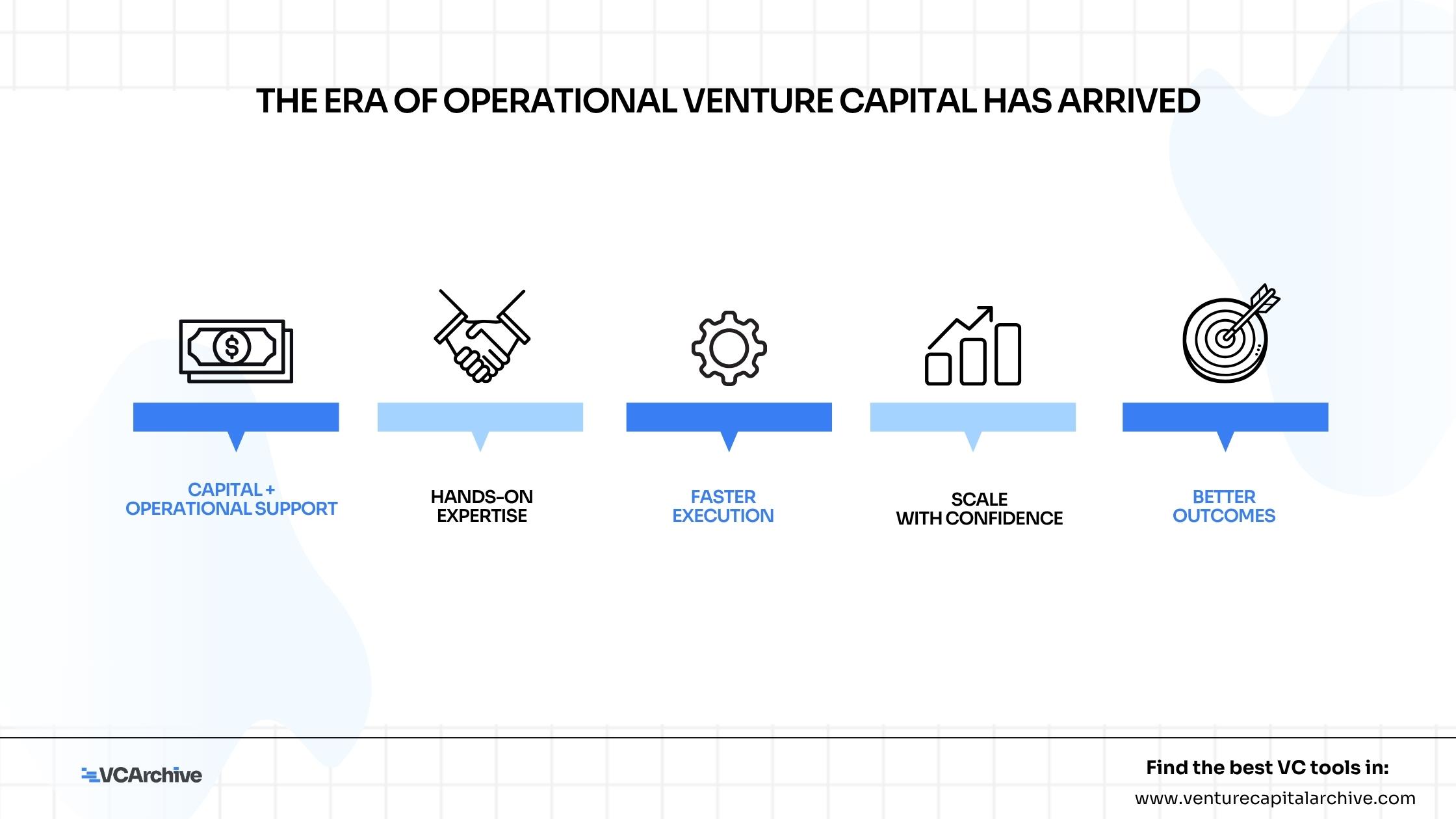
Venture capital is changing quickly. In the past, people judged startups mostly by how much money they raised. Many founders thought that getting enough funding would automatically lead to growth. Now, the startup world is much more competitive, complex, and fast-paced. Artificial intelligence speeds up product development. Quantum computing is getting closer to real-world use. Robotics, biotechnology, automation, and digital infrastructure are all advancing at the same time. Whole industries are being transformed. In this environment, money by itself is no longer enough.
Today’s startups need to operate at a much higher level. Founders are expected to build products quickly, expand globally sooner, and keep up with fast-changing markets. A new company in Prague, Dubai, Singapore, or São Paulo might compete with Silicon Valley or London firms right away. Technology has made it easier for anyone to start a business, but it has also made competition much tougher. The startups that last are not always the ones with the most funding at first. They are the ones who move quickly, stay focused, and make smart decisions.
Operational complexity is one of the biggest challenges for startups today. Early-stage founders often juggle product development, hiring, finding customers, talking to investors, building partnerships, managing infrastructure, and planning strategy all at once. As companies grow, these pressures increase quickly. Scaling brings new challenges. Hiring gets harder. Customers expect more. Selling to large businesses requires a mature organization. Expanding internationally adds legal and operational hurdles that many founders don’t expect. Without strong operational skills and support, even the most innovative startups can lose momentum.
That’s why operational venture capital and venture studios are becoming so important. More founders now want more than just money. They look for experienced partners, strategic advice, help finding customers, support with hiring, global networks, and partnerships that can help them grow smarter. The best startup ecosystems today mix funding with hands-on operational help. They support entrepreneurs in telling their story, building strong organizations, improving their go-to-market plans, and creating a solid base for long-term growth.
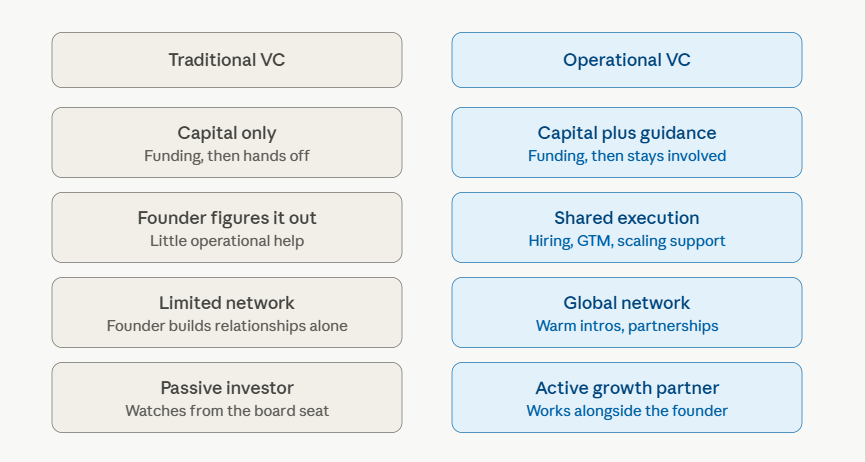
Relationships are now one of the most valuable assets for entrepreneurs. A single trusted introduction can open big opportunities. Landing one enterprise customer can boost revenue quickly. Building a relationship with the right investor can help a company enter new markets. Networks create momentum, and momentum is key for scaling a startup. In today’s connected world, relationships often decide how fast a company can go from an idea to a market leader.
Artificial intelligence is accelerating these changes even further. AI tools help startups automate tasks, develop software faster, work more efficiently, and grow with smaller teams. Innovation is happening at an incredible pace. But this speed also brings pressure. Markets change quickly. New competitors appear all the time. Customer needs can change overnight. Founders have to stay flexible while building strong operations.
The founders who succeed now are not just those with big ideas. They are the ones who can combine innovation with strong execution, resilience, and smart strategy. Being able to execute well is what sets startups apart today. Having a vision is important, but operational discipline is what helps companies grow and succeed.
Another big change in entrepreneurship is the understanding that founders need guidance and strong support systems just as much as they need money. Starting a business is mentally tough. Founders deal with constant uncertainty. Sometimes products fail. Markets can change without warning. Raising money can get hard. Leading a company gets even more stressful during fast growth. Good operational support provides founders with advice and experience to better handle these challenges.
In the future, the best venture capital firms will be those that offer not just money, but also operational know-how, global connections, and strong execution skills. Startups now need more than just investors. They need partners who can help them grow wisely in one of the fastest-changing periods in history.
They are all coming together, opening up new opportunities. The companies that mix innovation with strong operations will become the next global leaders. Operational venture capital is here, and it is changing the future of entrepreneurship worldwide.
This article was originally published on Medium by Gary Fowler and has been sourced here for educational purposes
More from Gary A. Fowler
No other articles from this author yet. Visit their profile.