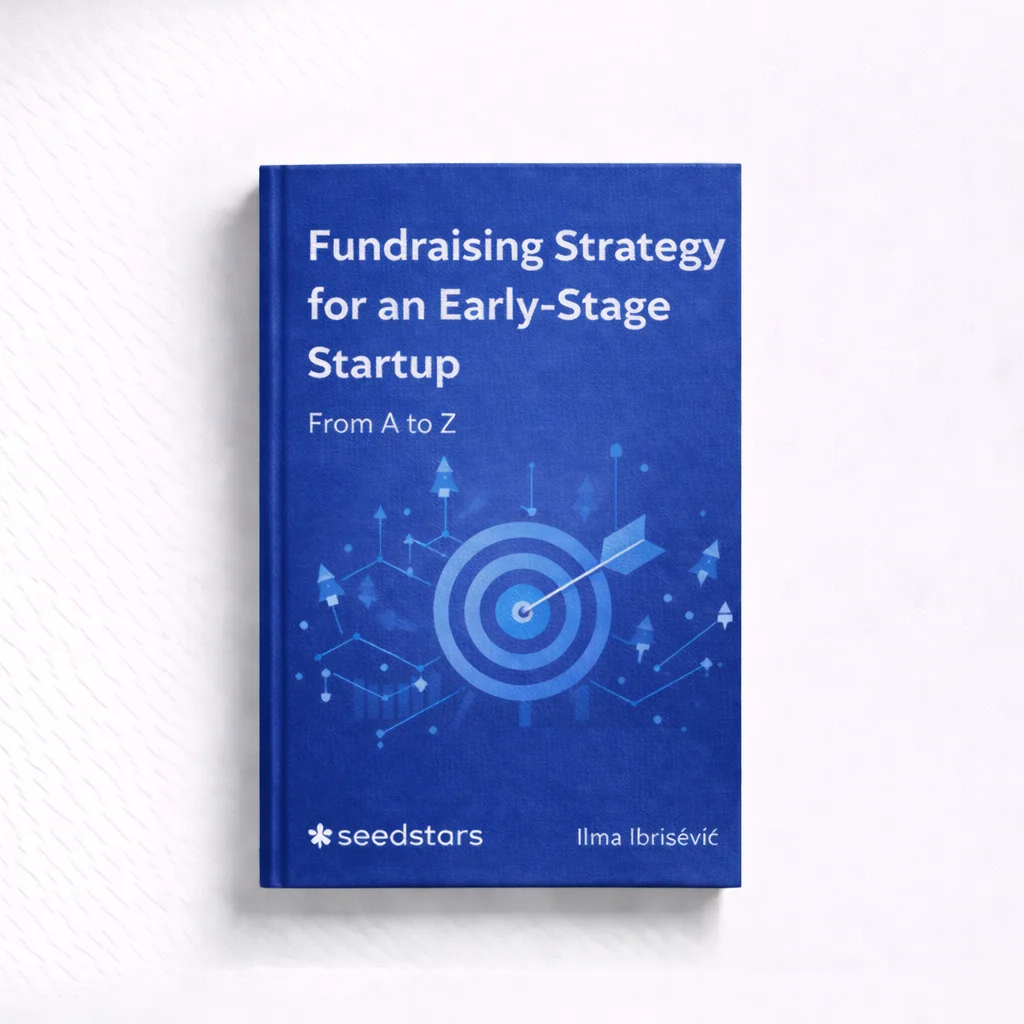
Fundraising Strategy for an Early-Stage Startup From A to Z
Ibrisevic, drawing on training material used in Seedstars' Growth Programs, frames pre-seed as pre-founders, friends, and family before formal rounds even begin, seed funding typically producing $10,000 to $2 million, and Series A through C as necessary once bootstrapping alone can no longer sustain the business, then centers the guide around five questions a fundraising strategy must answer: why, who, how much, when, and how. Practical guidance includes timing a raise from a position of strength, once product-market fit and rapid adoption are demonstrated rather than simply when cash is running low, keeping the process from dragging on since VCs need urgency to actually make a decision, and sizing the ask around 12 to 18 months of runway to the next fundable milestone rather than picking an arbitrary figure. The guide also stresses two-way investor research, since founders should vet investors as rigorously as investors vet them, tailoring each pitch with 3-5 customized talking points per meeting, sequencing less-desired investor meetings first to iron out the pitch before approaching top-choice VCs, and maintaining organized documentation, cap table, KPIs, financial model, ready at all times to streamline diligence.
Why is relevant?
First-time founders anywhere in the world get a clean, jargon-light on-ramp to fundraising strategy from an organization that runs accelerator programs across emerging markets globally, making it a useful complement to the more US-centric fundraising guides elsewhere in this archive, especially for founders in ecosystems without easy access to Silicon Valley mentorship networks. The five-question framework, why, who, how much, when, and how, gives founders a simple, memorable structural checklist to fill out before ever contacting an investor, useful as a first planning exercise for someone who has never written a fundraising strategy document before and does not know where to start. The specific tactical advice to meet less-desired investors first and save the most-wanted VC for last, once objections have already been ironed out through practice, is a genuinely useful sequencing tip that few other guides state this explicitly, helping first-time founders avoid wasting their best shot on an unpolished pitch.
Author
Ilma Ibrisevic
Publication date
February 24th, 2020
Difficulty
Beginner
Keywords
- fundraising strategy
- pre-seed vs seed funding
- five key questions
- investor research
- pitch tailoring
- fundable milestone
- investment readiness
- emerging markets founders
Last update